
Off the Beaten Path
Took-off for Christmas Island, But Landed in Kiritimati

[Note: Substack has warned this column may be too long for some email services and may require reading the entire column on the website.]
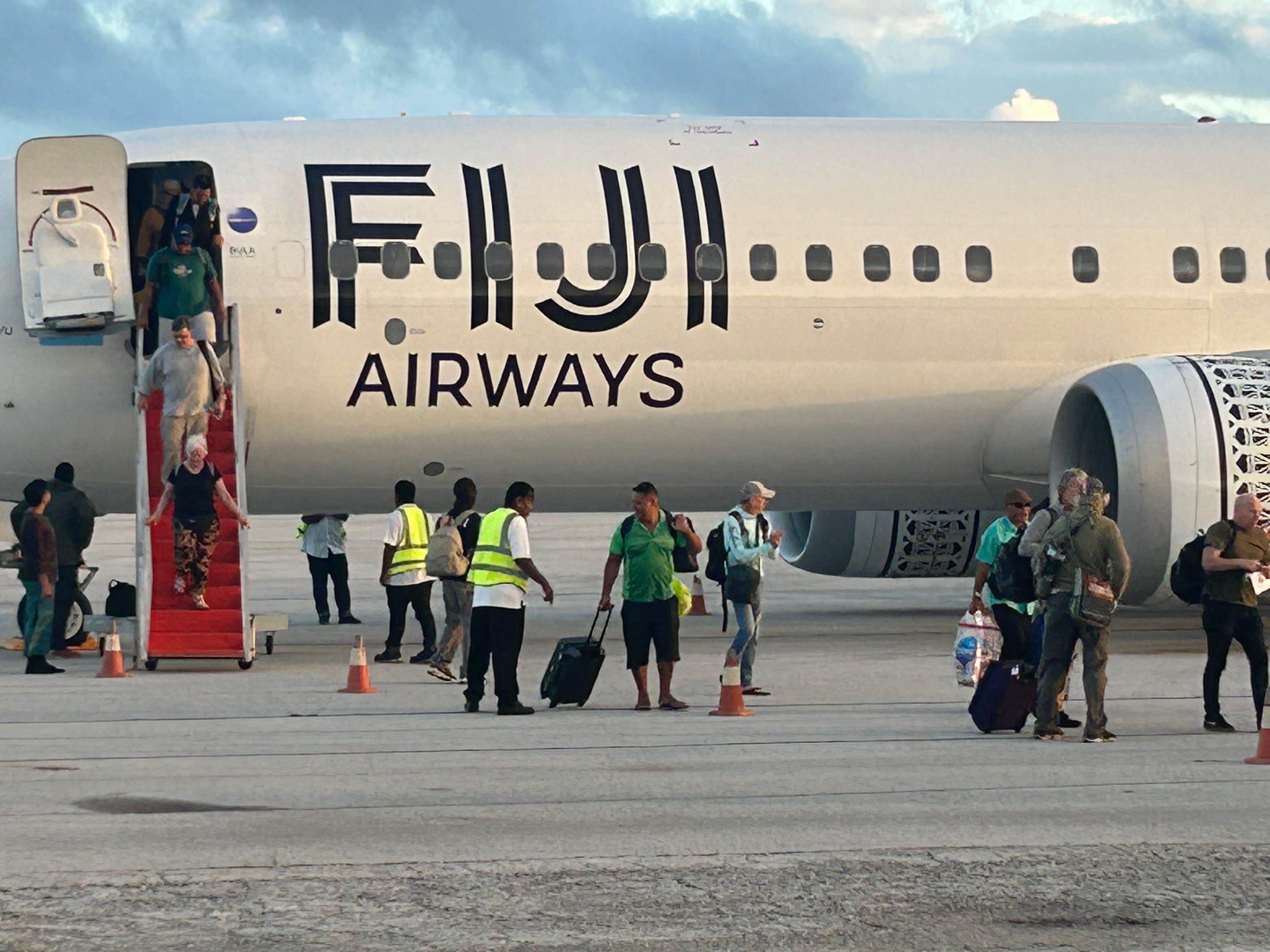
I didn’t feel self-conscious wearing flats sneakers as I boarded the Fiji Airways flight. These are boots worn by anglers when wading in waters with rocky or coral bottoms. Some have described them as oversized sneakers. My wife would probably call them ‘clodhoppers.’ Most anglers on the half-full Boeing 737 were wearing their flats sneakers and carrying their fly fishing gear.
The rule-of-thumb is to carry onboard the most critical equipment to get you through a week of fly fishing and rely on others to lend anything else you might need if your checked baggage didn’t make the flight. This is because there is just one flight each week from Honolulu to the destination: Cassidy International Airport on Kiritimati Island.
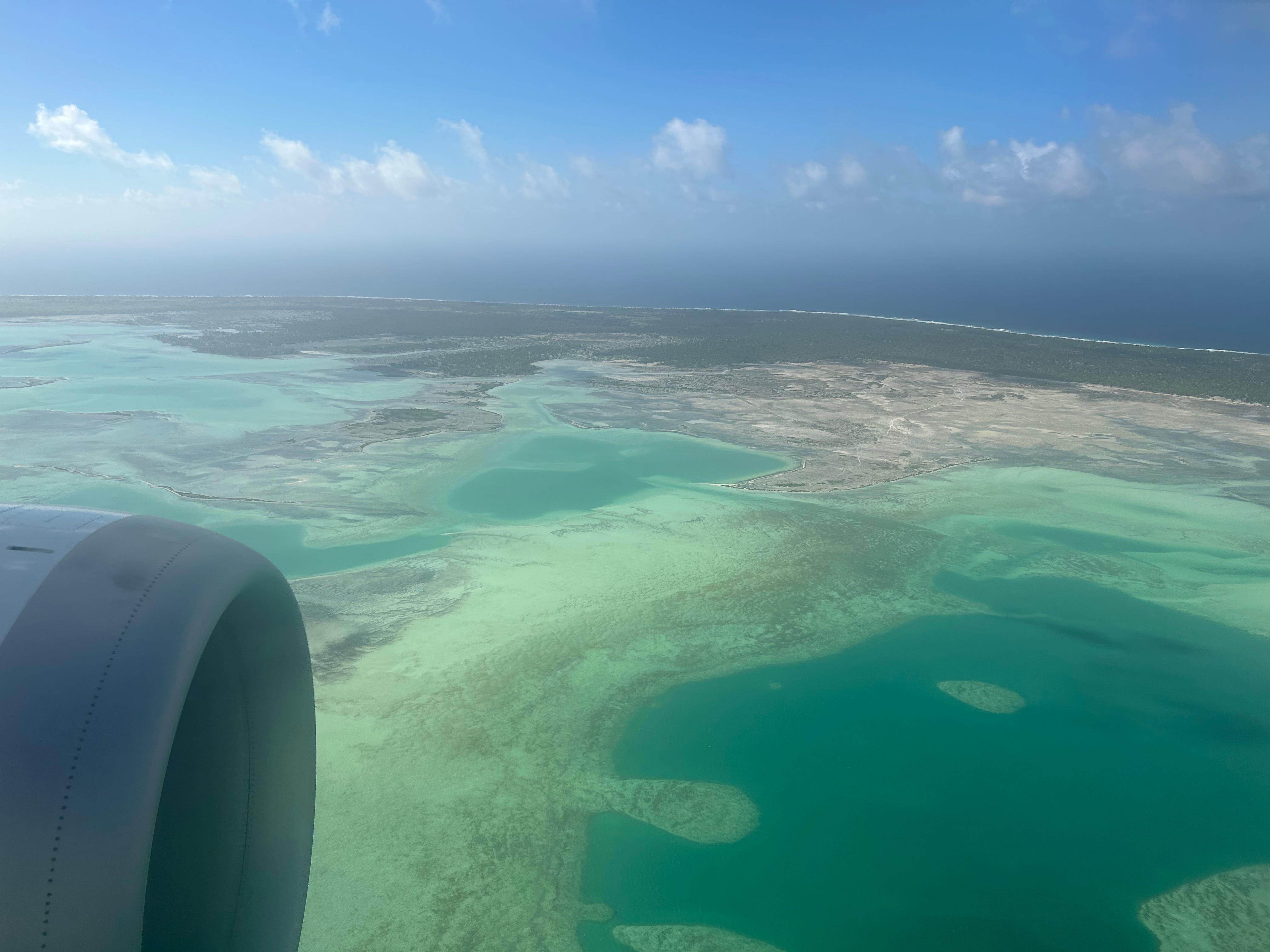
A few years earlier, one angler landed without his luggage and had to rely on the kindness of fellow fly fishing enthusiasts to outfit him for the week.
I landed in Kiritimati, popularly known by foreigners as Christmas Island. (This is because in the local language “ti” is pronounced like an “s.”) Kiritimati is the largest of a string of 33 coral islands of the Republic of Kiribati in the western Pacific Ocean near the equator. The abundant coral is why anglers must wear wading shoes. The traveler who arrived without his baggage reportedly wore his Timberland boat shoes while wading for an entire week.
Unlike most fishing stories, I will spend little time discussing the fishing. Although I can confirm the one that got away from me was a record-setting sized fish.
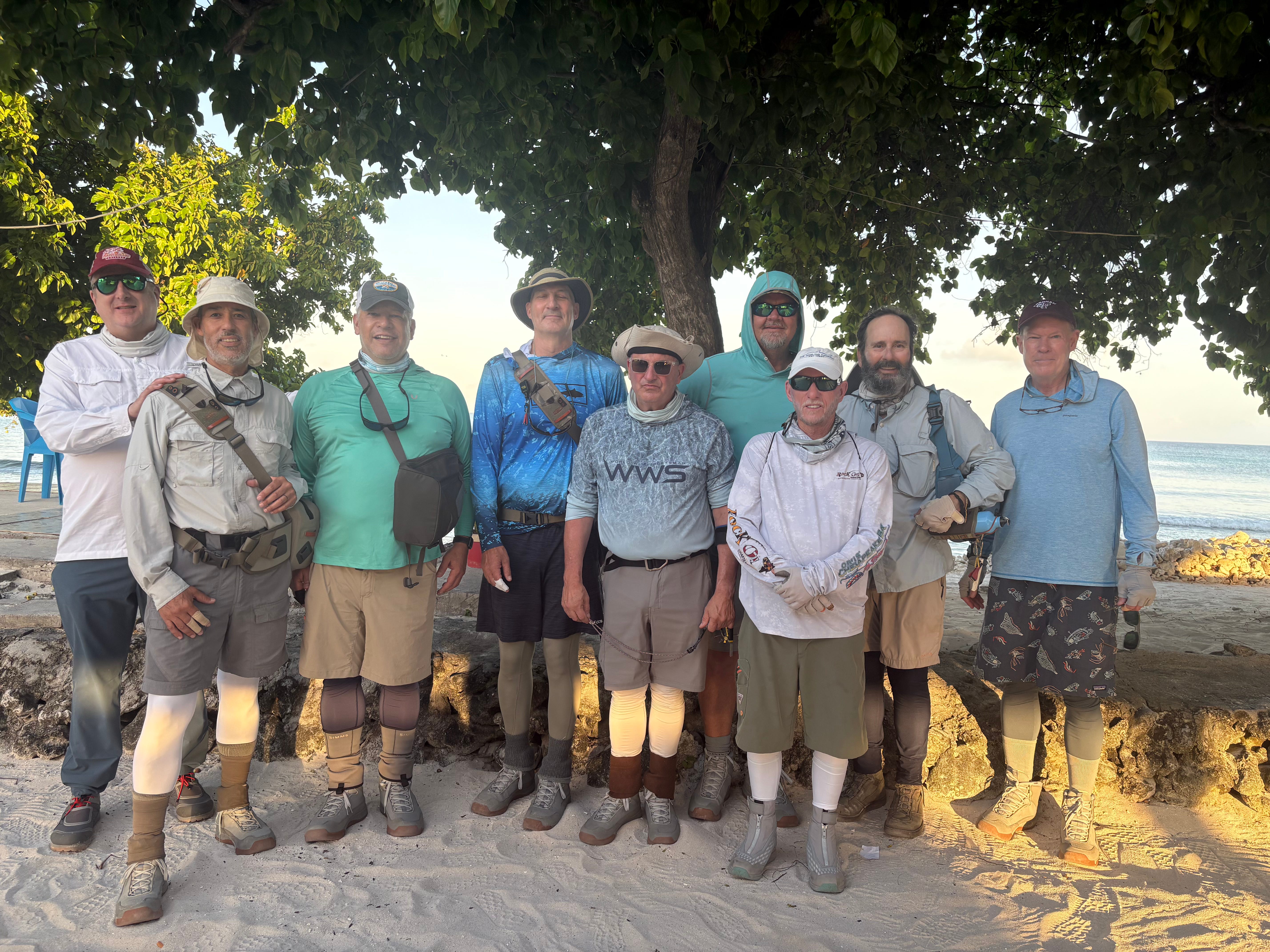
I was among a group of nine anglers assembled by longtime friend John Bilotta who managed to turn his passion of fly fishing into a full-time occupation. John is an FFI-certified master fly-casting instructor who has crisscrossed the globe in search of the elusive catch. Our group included veteran fly fishing enthusiasts and one novice (me).
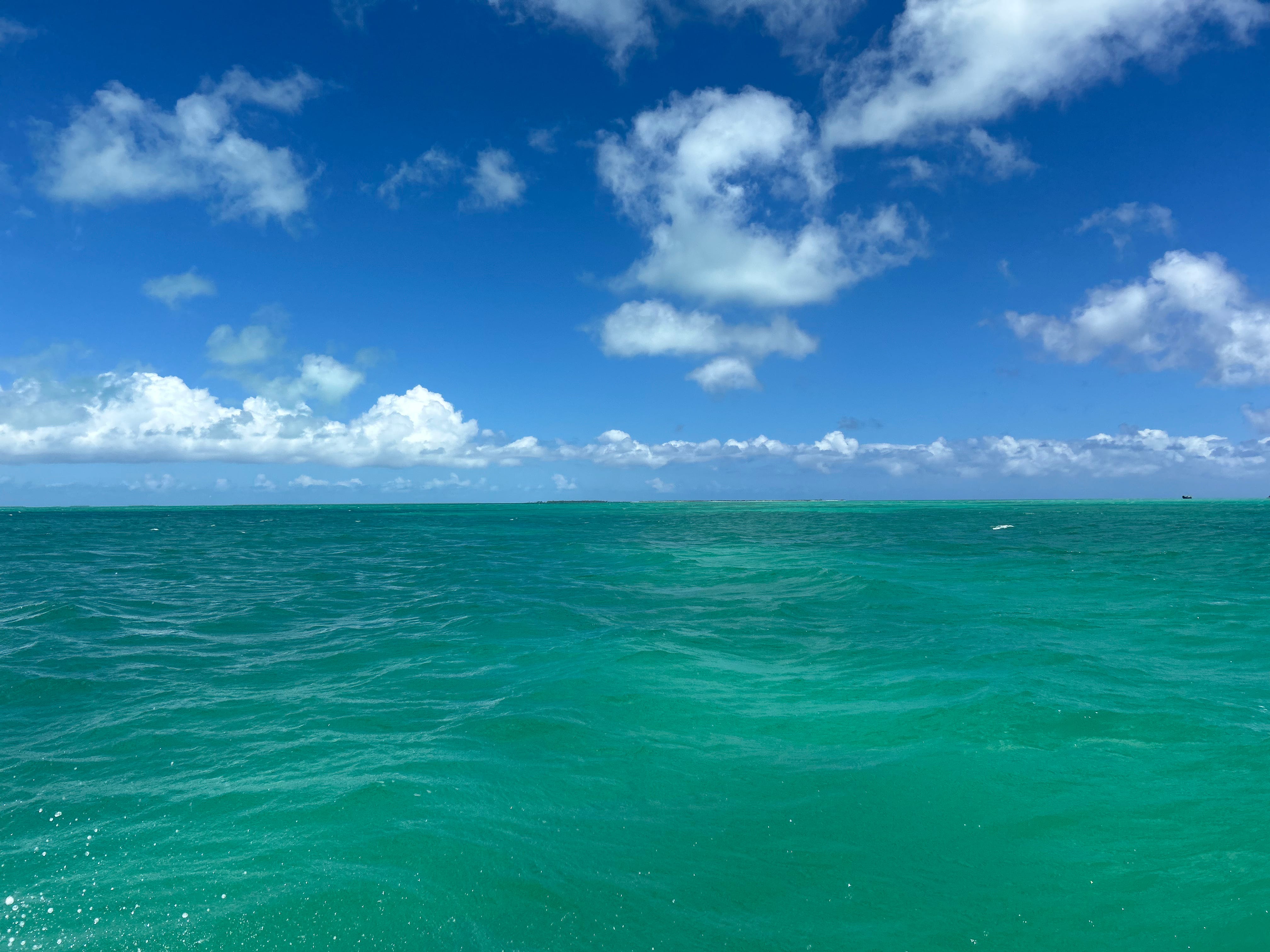
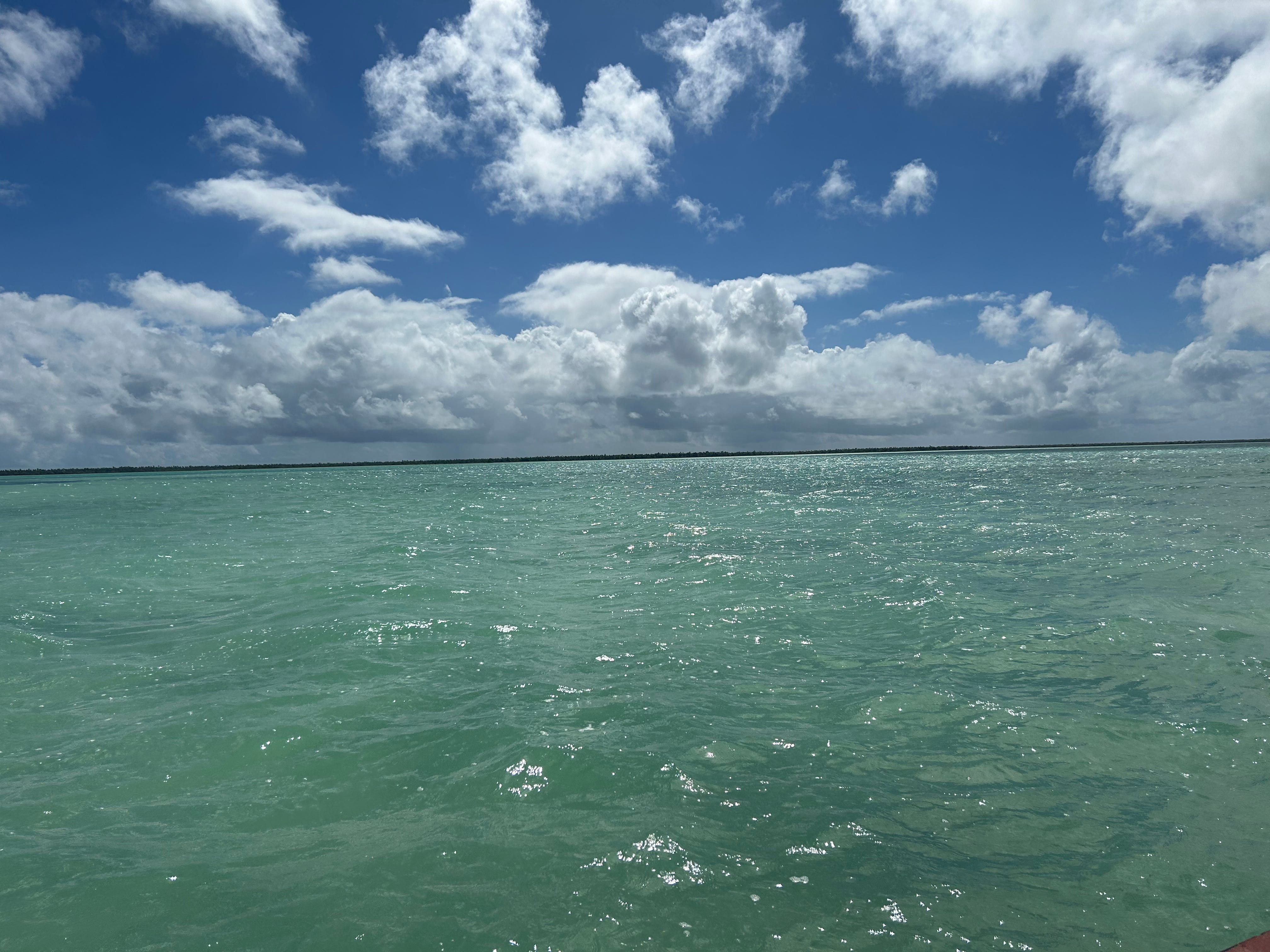
The lagoon where most of the fishing on the flats occurs features water that is an iridescent green. Islanders safeguard their water. I never saw any trash. The guides and anglers alike are quick to snatch-up an errant wrapper or a bottle cap that attempts to get away. Avid hunters and anglers just don’t talk about protecting the environment, they practice it.
If my FitBit watch is to be believed, then I walked 125,853 steps or 57.7 miles the five days I spent on the flats. It’s unknown how many of those steps included stumbling over rocks or sliding into a large divot left by a giant Manta Ray.
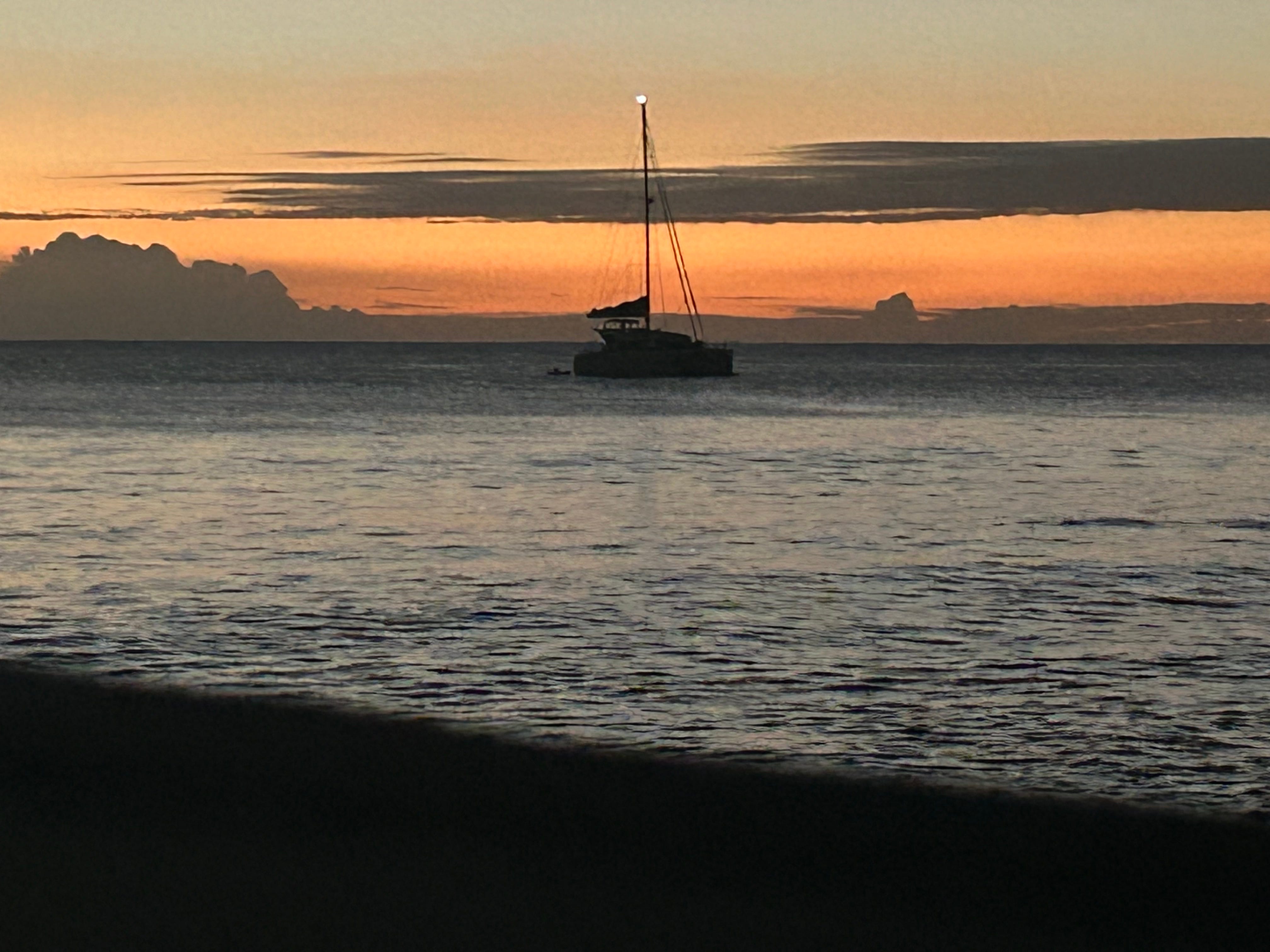
I do not know if the weather during our stay was typical or we just lucked out. We had tremendous rainstorms and sometimes high winds most nights we were on the island. On the flip side, nearly every day we had ideal weather. The sunsets each evening were picturesque.
Yes, the fishing was amazing. Most of us were targeting Bonefish, Giant Trevally and Triggerfish, which are plentiful in the island waters. We landed several other varieties, including Blue Fin Trevally and Grouper. All fishing was catch-and-release.
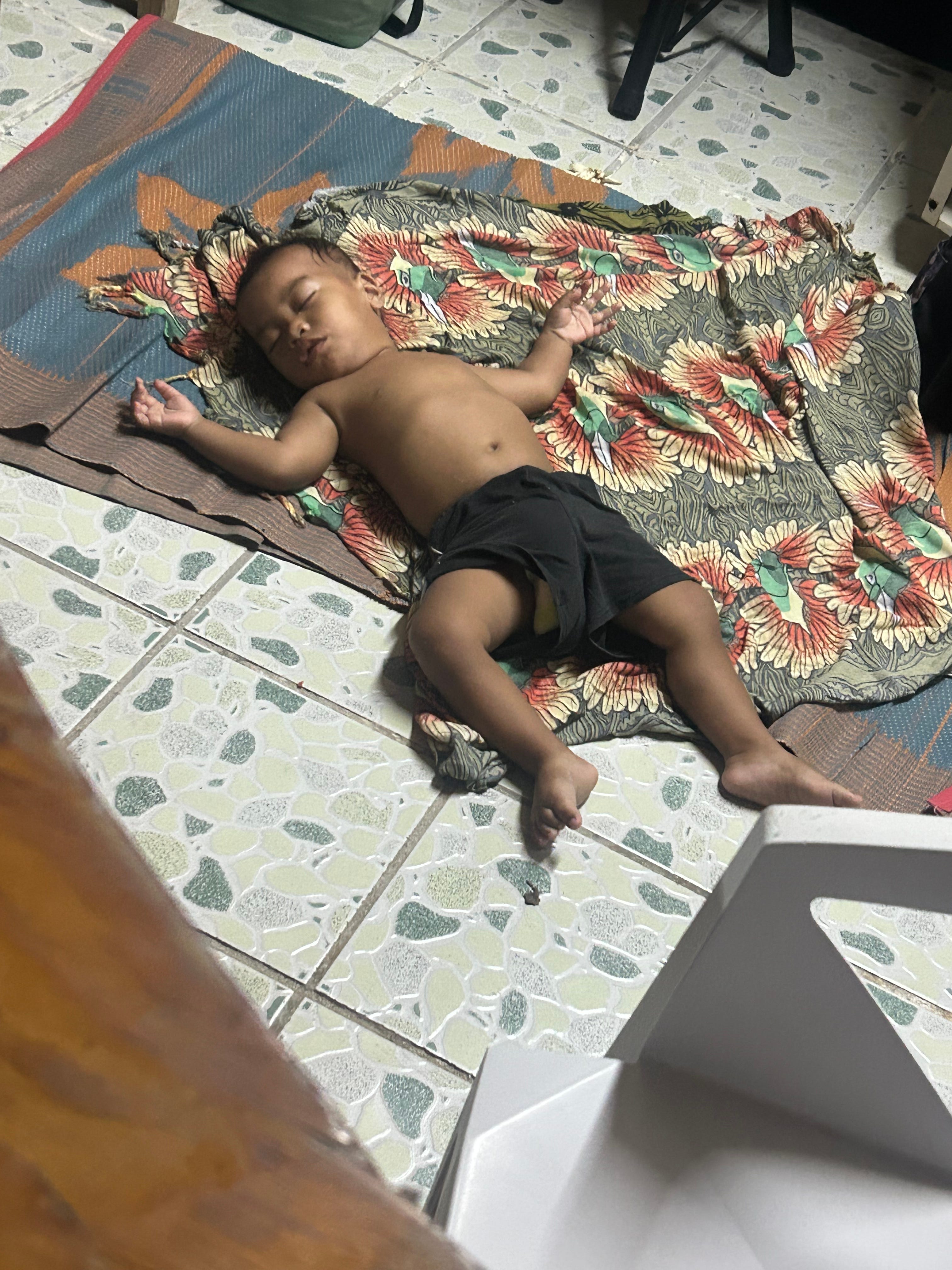
In addition to the fishing, I enjoyed working with so many amazing Kiritimati people. The hostess who represented the excursion company Fly Water Travel, Sunset Horizon Lodge staff, truck & boat drivers, and the fishing guides were fantastic partners. Each angler had a dedicated guide to help locate fish, recommend equipment changes such swapping flies, and to take that ever-so-important photo of the fisherman and his catch. We rotated guides daily.
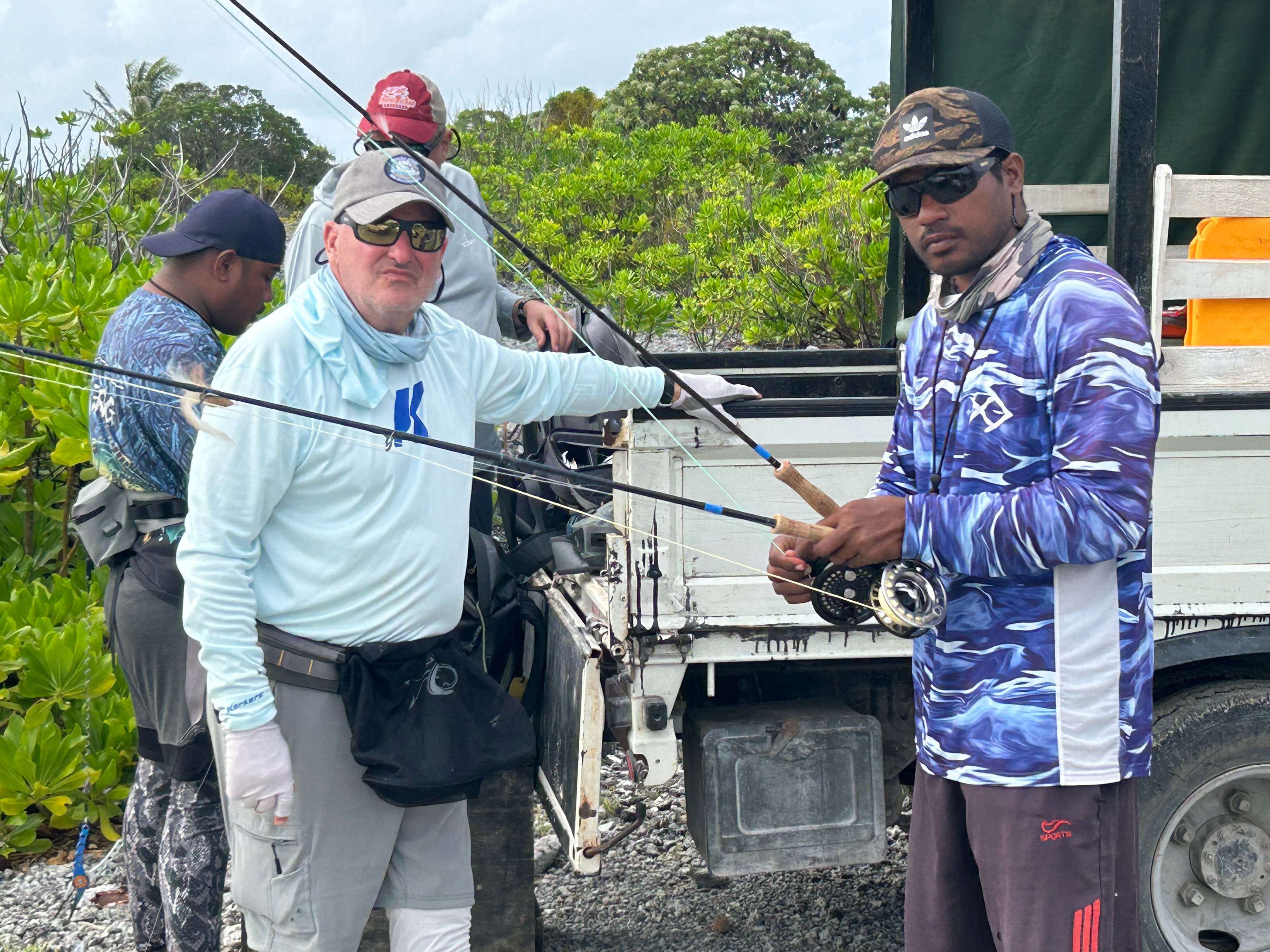
Native islanders are considered Micronesians. Theirs is mostly a cash-based society. Kiritimati uses Australian currency, but will also accept US dollars. Credit card use is virtually unheard of and I saw just one ATM.
It became apparent in conversations with locals that religion is very important on the island. Christian missionaries began visiting this region of Oceania in the late 19th century. About 60% of the islanders are Catholic. Another 20% belong to the Kiribati Uniting Church (KUC). The KUC is a non-denominational Protestant faith that sprung from the London Missionary Society visits in the 1870s. Other religions include the Kiribati Protestant Church, Seventh-day Adventists, Latter Day Saints (Mormons), and Baha’i.
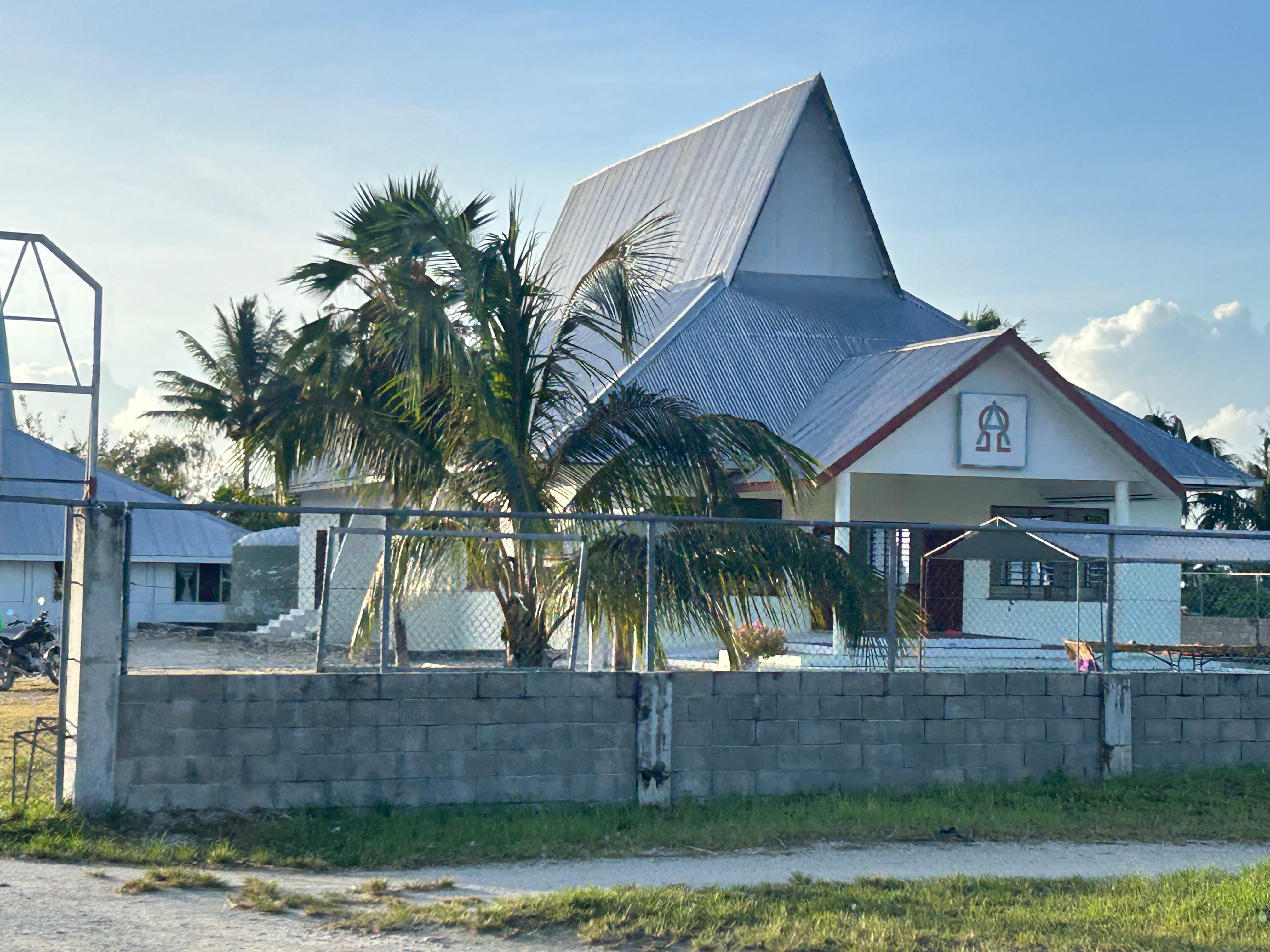
Churches, which dot the island, take care of their own. There might be a nearby parochial school operated by the church. Education through 8th grade is free and compulsory. Many choices for grades 9-12 are by church-run schools and usually require tuition.
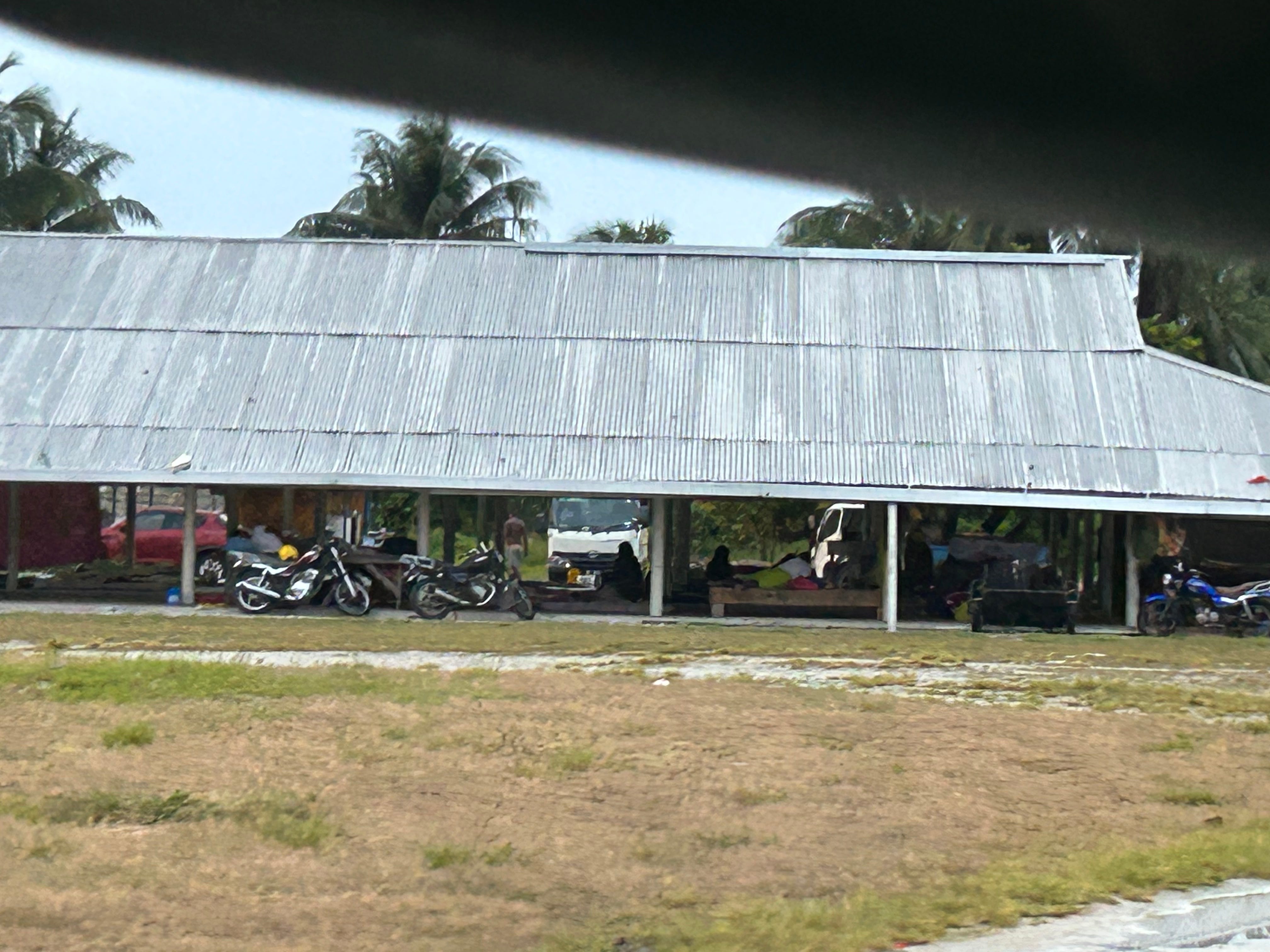
Often there would be an open-air pavilion on the church grounds that would serve a variety of functions, including shelter for families and individuals without a home. At no point did I ever see anybody I would characterize as homeless. No one lives on the street, according to one islander. The churches step-up and help out those in need.

Back-up generators at churches, commercial properties and many homes are not uncommon. Our lodge lost power about half the nights during our stay requiring the handyman to start the generator.
The scarcity of water and other natural resources is apparent. According to online sources, phosphates had been mined in some of the nearby islands, but the mines have been exhausted and closed since the 1970s. Today, most exports are fish and coconut oil.
Coconut oil is extracted from copra, the dried meat of a coconut. We saw one building where copra is processed for export.
Among the most lucrative jobs on Kiritimati are those associated with fly fishing. In addition to their salaries, employees receive gratuities from guest anglers. It’s standard practice with fly fishermen to generously tip the guides and other workers. This helps immeasurably in a nation where the annual GDP is $3200 (2023 estimate). For comparison, the annual cost for tuition, room and board for a college education in Fiji can be 5-6 times that amount.
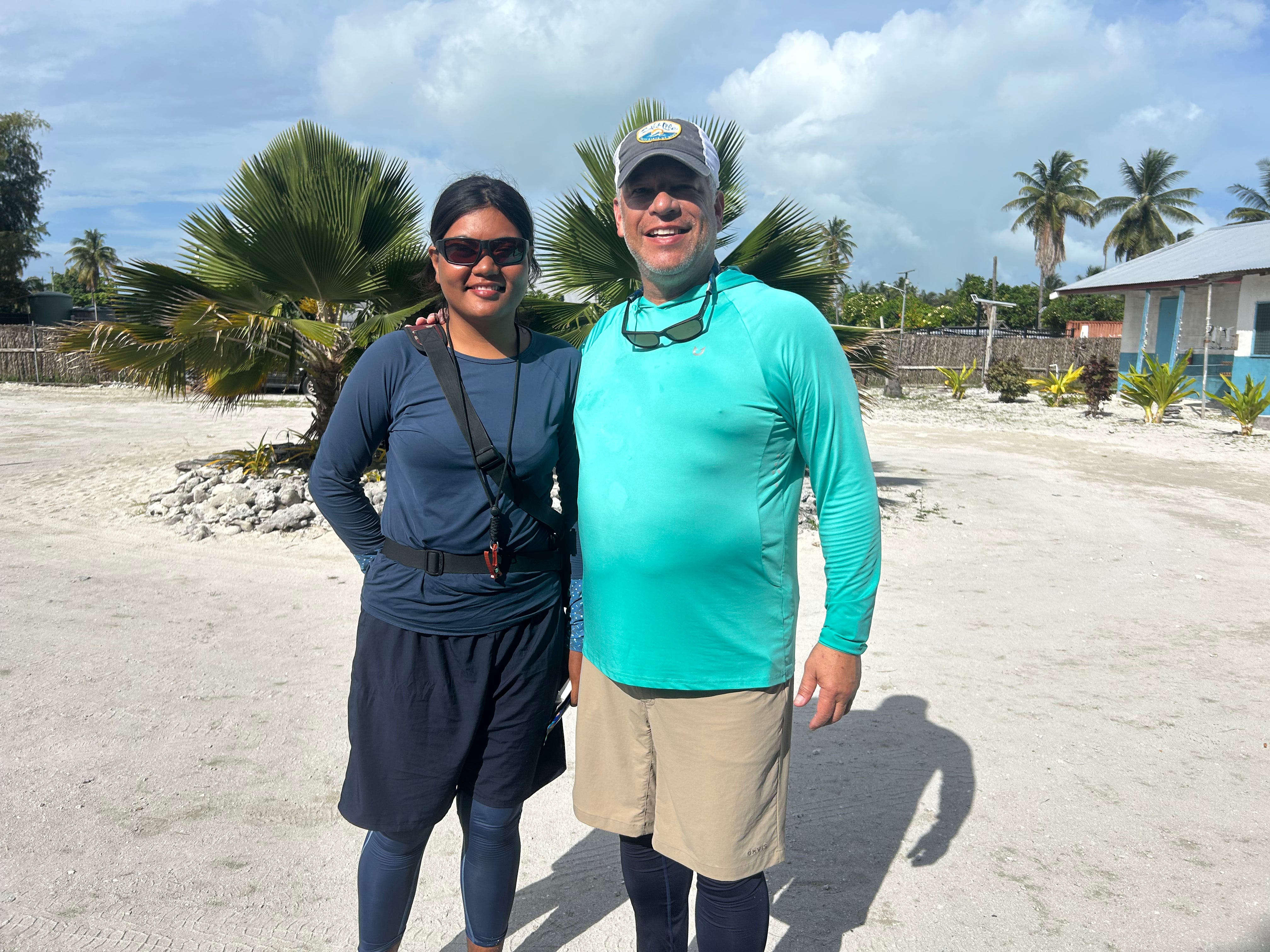
My guide on day #2 was Sara. (I’ve changed the names of all locals to give them a degree of privacy.) One of the island’s few female fishing guides, Sara studied Marine Science for one year at the University of the Pacific in the Fiji capital of Suva. After a year, she left her studies in the hustle and bustle of the Fijian capital for a more relaxing life in Kiritimati, she told me. After she became a fishing guide she married Ken, who is the head guide with Fly Water Travel.
Sara was not alone in a desire for a quieter life. Joanna, who represents Fly Water Travel, is a member of the Church of Jesus Christ Latter Day Saints. Years earlier, she trained in Salt Lake City before embarking on an 18-month mission in San Bernardino, California. Had she at any point considered remaining in the US, I asked. She quickly replied, “No. My life is here.”
Joanna, her husband, and their 5 children live a single room home that belongs to Joanna’s mother that will grow more crowded when her mother returns to Kiritimati in the coming months. The goal of Joanna’s family is to buy some land and build their own home.
If I understood this correctly, anyone who works for the Kiribati government is provided housing. Everyone else must find their own accommodations.
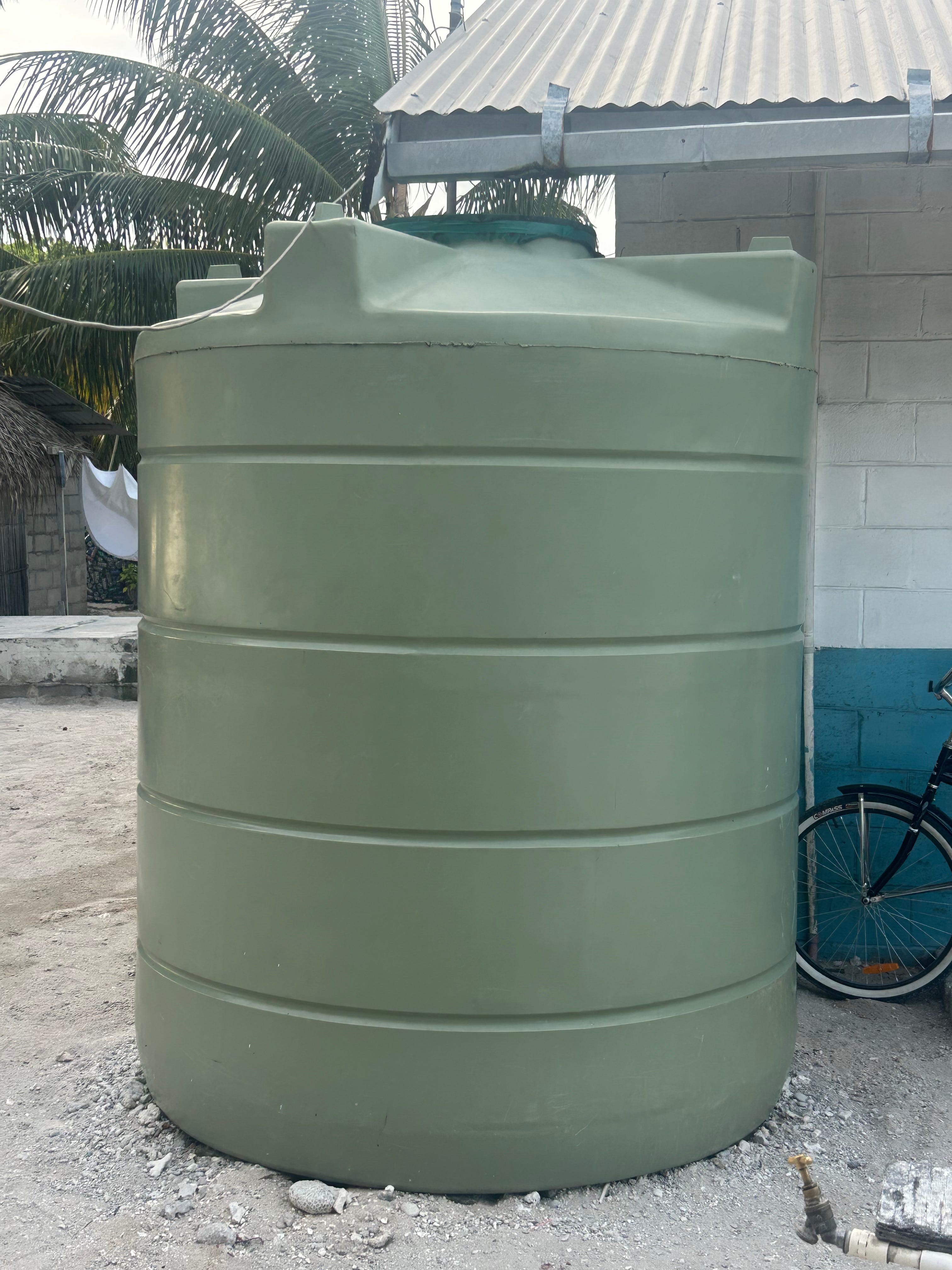
Some homes appeared to be no larger than about 200-300 square feet, primarily wood construction with thatched roofs or metal roofs anchored with cinder blocks to weigh them down in high winds. Other, larger homes are made with concrete construction. It was common to see large rainwater capture containers adjacent to homes using rooftop gutters to supplement the island’s limited fresh water. Islanders excel at reusing and repurposing available resources.
Limited access to products is not lost on the visiting anglers. There are no department stores or Amazon deliveries. And there are certainly no outdoor outfitters like Simms or Orvis. The bulk of consumer goods arrive on a merchant ship that makes a delivery once every three months. The remainder comes on the two weekly commercial plane flights, one each from Fiji and Hawaii. Translation: much of the equipment and clothing the guides possess are donations from guest anglers.
Still, some guides go without. My guide on day #3, John, had no wading boots. Instead, he wore flipflops on the coral flats. Admittedly, he was much more graceful walking on the unforgiving coral reef than I was in my flats sneakers. “We grew up on the reef,” one guide explained.
Anglers make donations of new and gently-used clothing and equipment. Our group donated two pairs of boots, rods & reels, fishing tools and clothing. I left behind clothing, books, children’s toys and my beloved Olukai beach sandals. Nothing will go to waste.
Ken, who guided for me on days #1 & #5, was the recipient of my new amber lens polarized sunglasses. Blue polarized sunglasses help an angler see into the water in bright sunshine. Amber works better in overcast skies. It was Ken’s first pair of amber lens sunglasses.
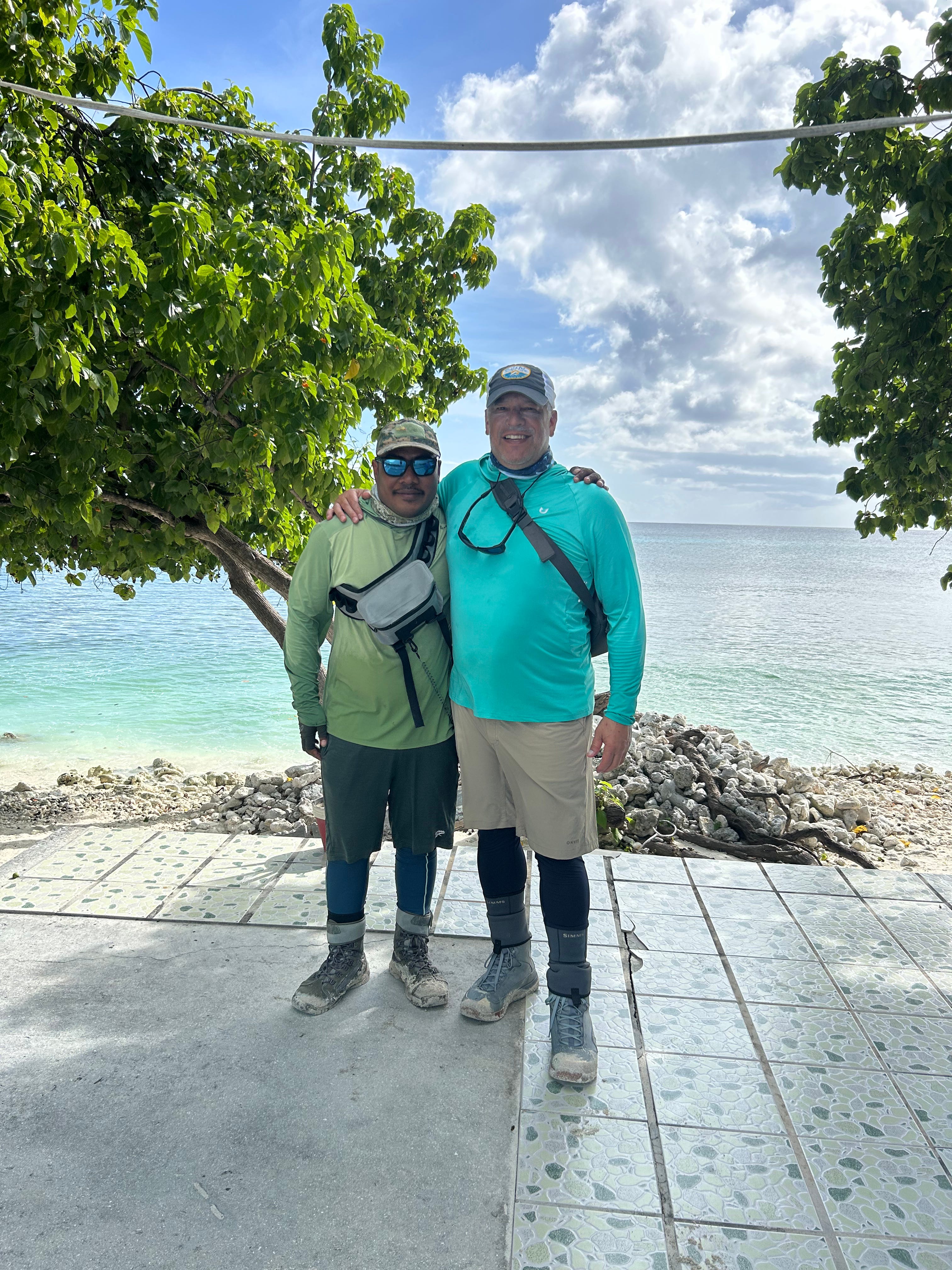
It was a treat to chat with Ken on our days together. He took over from his dad who was the previous head guide. Guiding was not the journey Ken began years earlier. One of 12 children from a devout Catholic family, Ken was midway through the seven-year long Pacific Regional Seminary program on Fiji to become a priest when he learned his father had stage IV cancer. Ken left the seminary and returned home to help. A few of his brothers work as truck and boat drivers. English fluency, knowledge of the waters and fishing expertise are requirements to guide.
Guiding for fly fishermen may be their occupation, but every guide I asked told me fly fishing was also their passion when not working. However, time-off was in short-supply, I learned. Ken told me he works all but a few weeks each year. Most of the visiting anglers are either Americans or Australians with a few other nationalities sprinkled in. The guides and staff keep a very busy schedule with the out-of-town guests. The morning they drove us to the airport for our departing flight included the pick-up of a dozen or so Australians arriving for their one-week stay.
Tim guided for me on day #4. A father of eight, the 44-year old had been a guide for two decades. He was very proud of his oldest child, a daughter, who was attending university in Fiji. How many more children will he have, I wondered? “No more. Eight’s enough. I’m done,” he told me.
I elected to pass on my final day of fishing on the flats and opted to see more of the island and its people. Joanna arranged for a car and offered to be my tour guide. Cars are an island luxury. Most of the islanders we saw in the course of our weeklong visit were either walking or riding tandem on motorcycles. Joining the two of us for the tour was Tina, the wife of fellow angler Rob. Although she doesn’t fish, Tina often accompanies Rob on fly fishing excursions.
Tina had spent much of her stay reading books at our lodge along the water’s edge while Rob was busy chasing Triggerfish. While WiFi is available at the lodge there is no entertainment. There are no television sets in the rooms or anywhere else in the lodge. Reading or relaxing are the main choices to while-away the day.
This doesn’t mean the locals are trapped in the Dark Ages. Vodafone and OceanLink offer mobile telephone service and internet is available through Starlink. One can access streaming services. Action movies on Netflix is one of Sara’s guilty pleasures, she told me.
Joanna gave us a thorough tour of the island stopping at various landmarks including government buildings. One thing that quickly became apparent is the lack of street signs. That’s because, Ken told me, the streets are unnamed. “Our streets have no names, but all of our flats do,” he informed me.
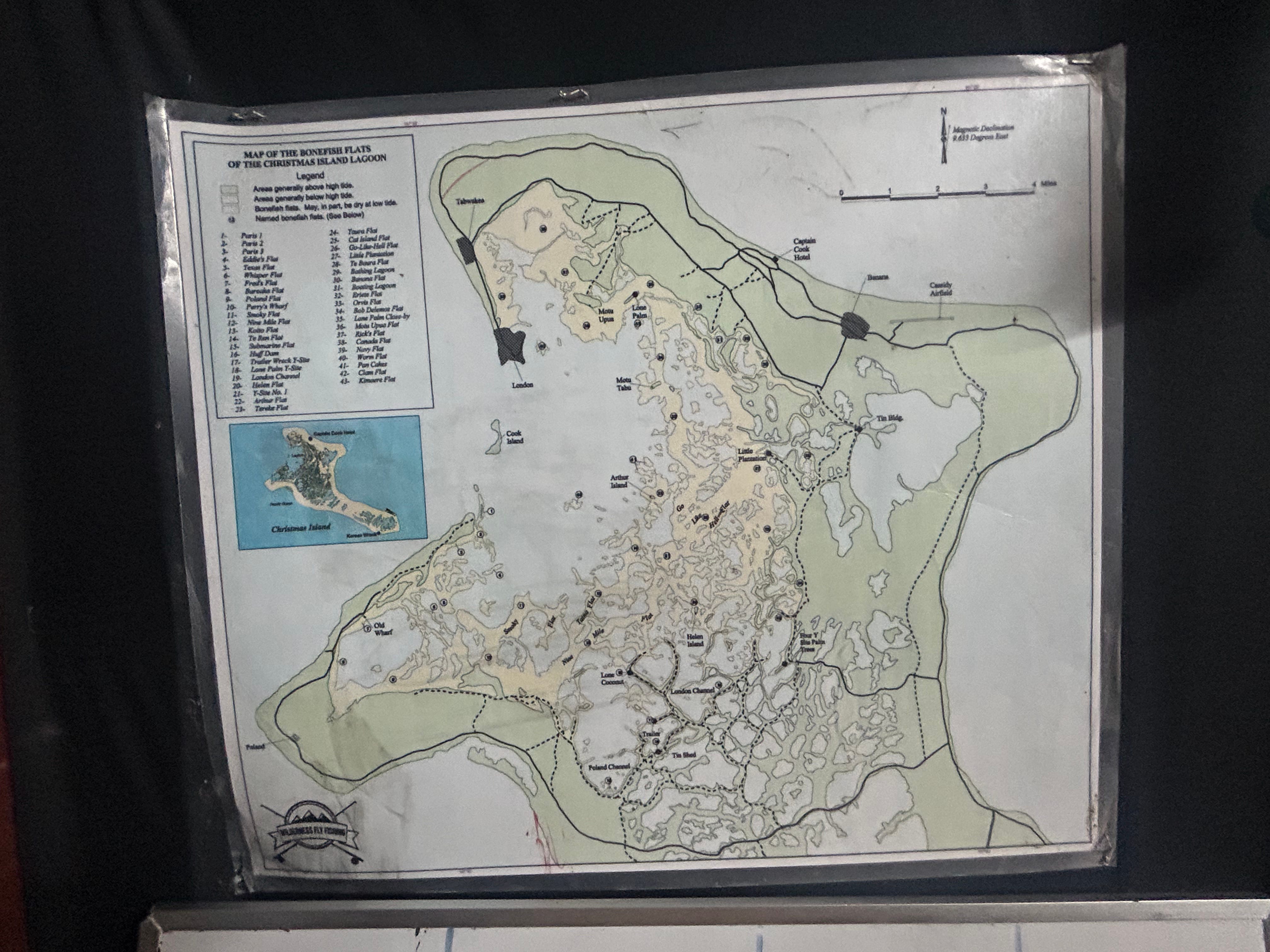
There are nearly 40 flats in Kiritimati’s big lagoon with names such as Texas, Whisper and Nine Mile. Some have backstories such as Orvis Flat. According to one of the guides, it got its name after a large number of Orvis-brand fly rods were lost in the water. Pan Cake Flat seemed appropriately named while the origin of Go-Like-Hell Flat was a mystery to the guide I spoke with. The flats seemed endless. A boat would drop us off a mile-and-a-half from shore and the water would only be waist deep.
The Republic of Kiribati is a developing nation. The country’s annual GDP is little more than $400 million. Yet, everyone we met appeared cheerful and upbeat. Everyday life appears focused on family, friends and faith. Not everyone aspires to live on the Upper East Side of Manhattan.
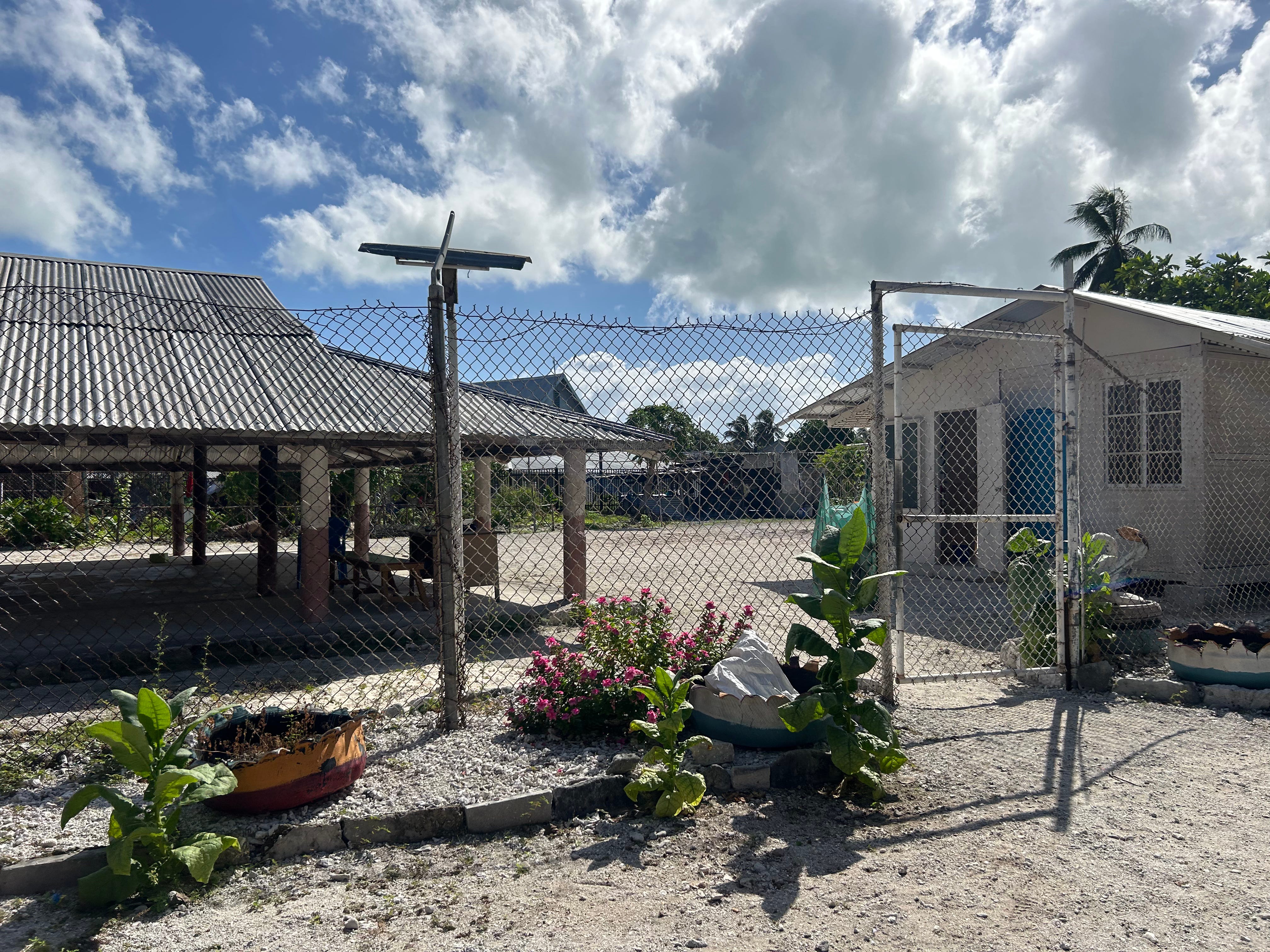
Petty crimes such as theft are virtually non-existent on the island, we were told. Yet, there is an island prison. From the outside appearance it looked more like a Cub Scout sleep-away camp. The prisoners’ and guards’ quarters were adjacent to one another. Aside from the surrounding chain link fence, the structures looked similar to other homes in the neighborhood. Joanna said inmates were usually guilty of sex crimes.
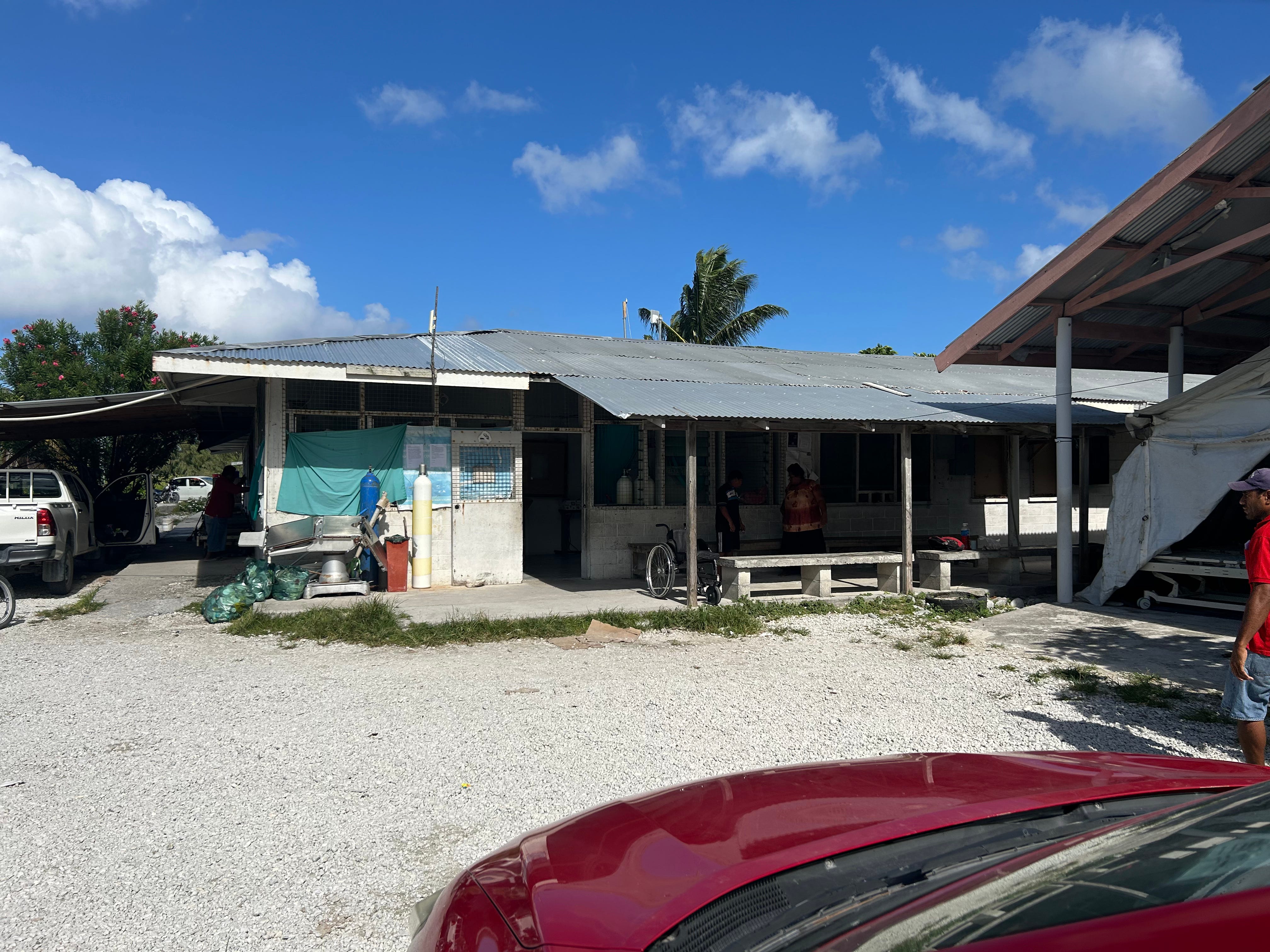
We saw the police headquarters, courthouse and the government land office where land purchases are approved. There is also London Kiritimati Hospital where we were warmly welcomed for a tour. We visited a communal labor & delivery room where one family was perched on a giant bed while the mother was in labor. Nearby was another woman in labor. We met a first-time mother who gave birth a day earlier.
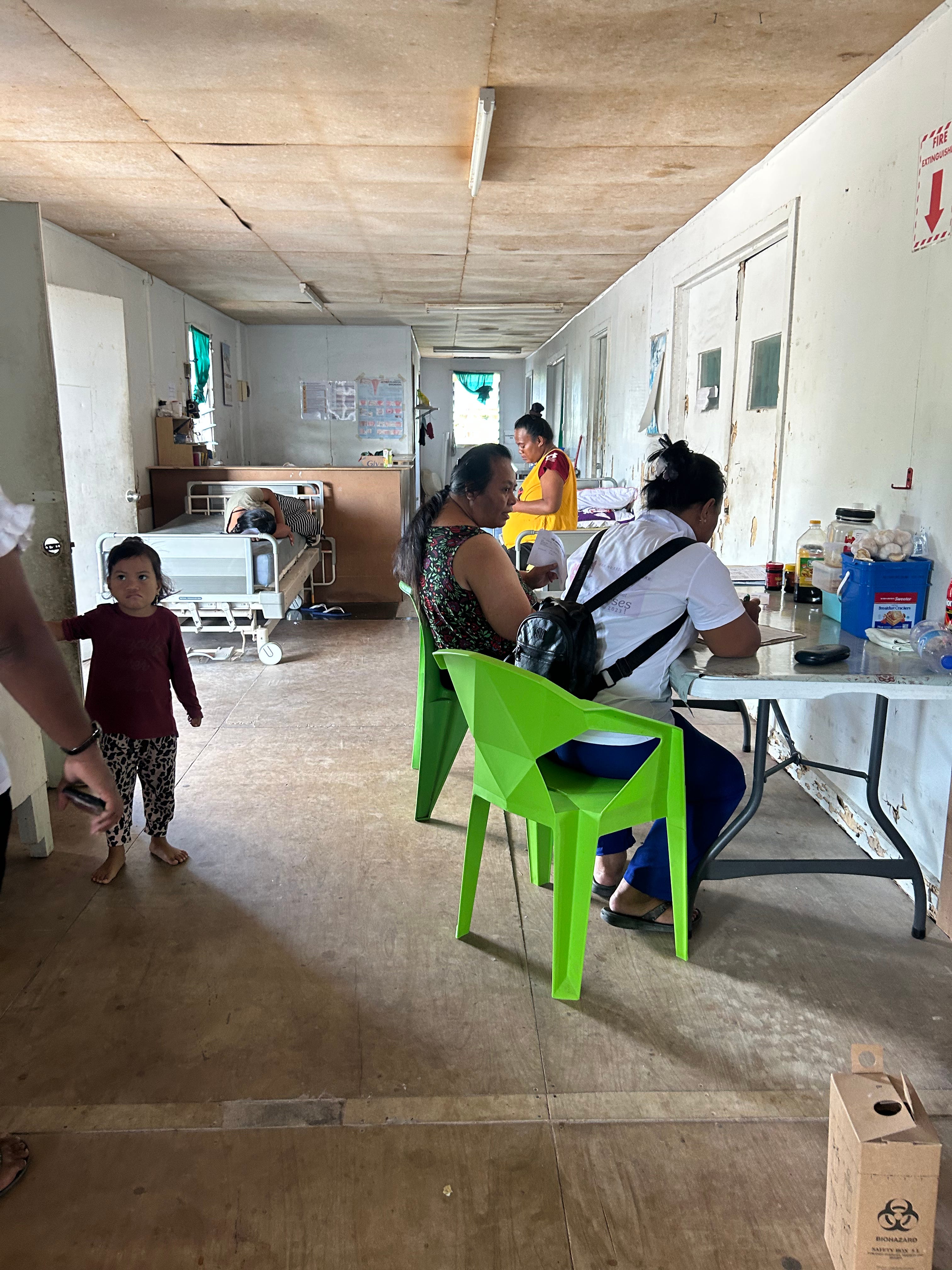
It's fair to say medical services on the island are limited. Most anglers carried a basic first aid kit to include prescription antibiotics to treat more than the common ailment. Most of us also purchased insurance from Global Rescue, a firm that would provide global medical evacuation services, if needed.
Like the streets, landmark names appear unnecessary. During our island tour we stopped at a restaurant for lunch. Joanna told us it was a family favorite where they visited on special occasions such as birthdays. What was the name, I asked. She didn’t know. In fact, there was no name posted anywhere on the premises. Apparently, regular patrons just KNOW where to go.
On our tour we passed by the Vampire Lounge, an island nightclub. Patrons party late into the night we were told. It was tempting to visit, but anything after 9 pm is considered the wee hours of the morning to me.
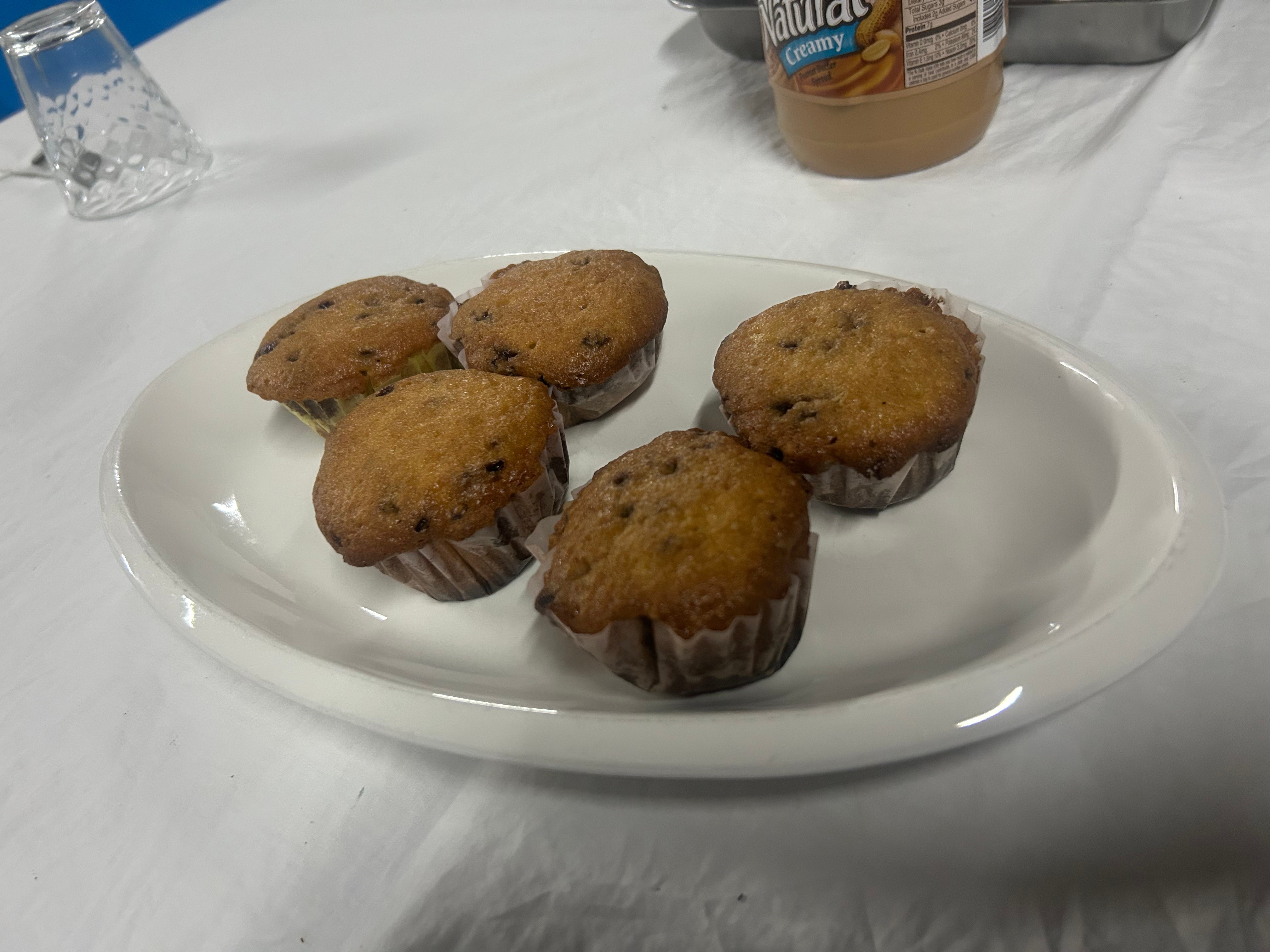
All lodge gatherings and meals were held in a thatch-roofed pavilion. Breakfast each morning was generally eggs, bacon and toast. (Many islanders raise chickens and pigs.) Our group brought a muffin pan and muffin mixes to add variety to the morning menu. Lunch on the flats was usually a choice of PB&J or tuna salad sandwiches. All bread was fresh baked.
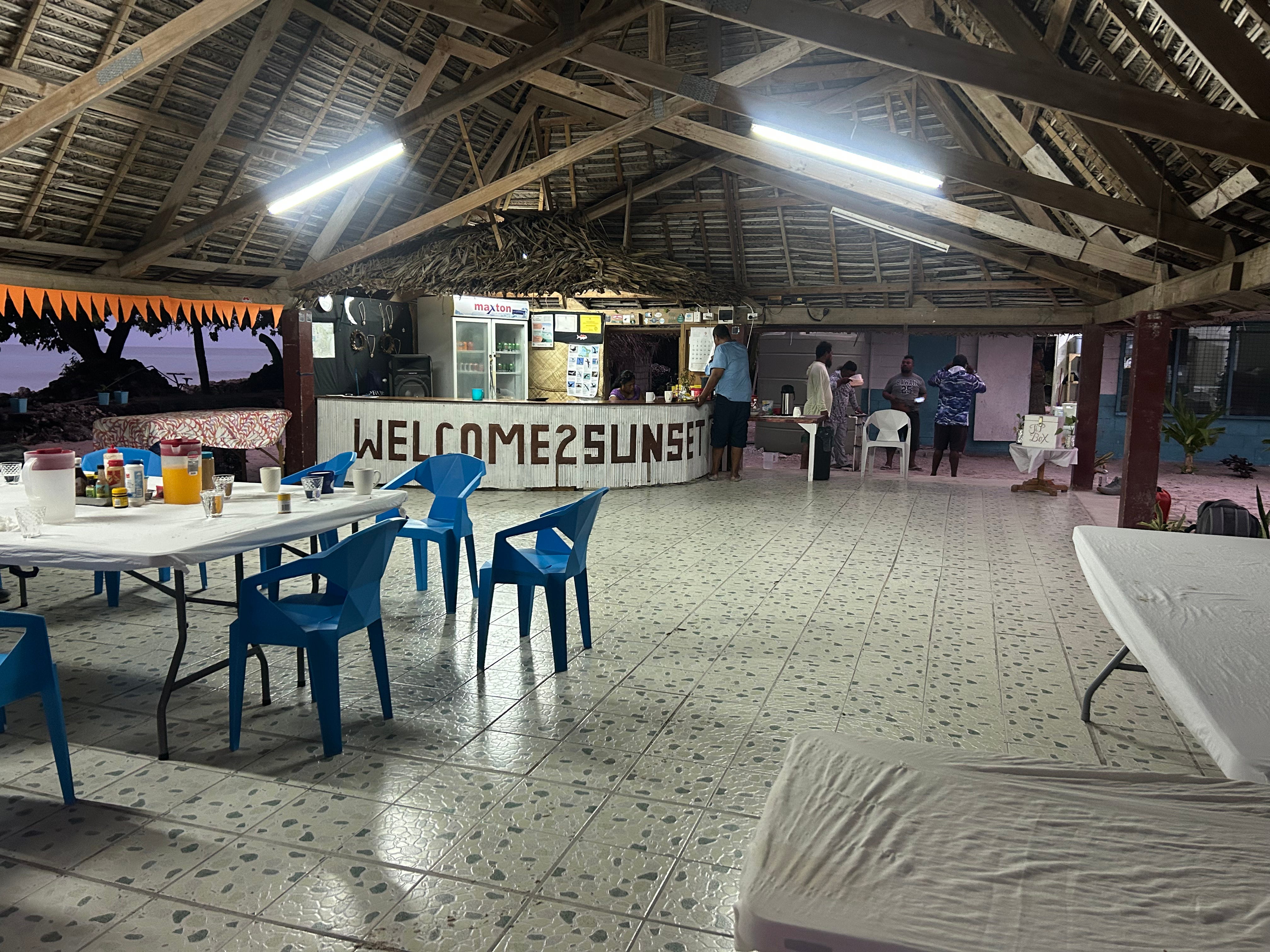
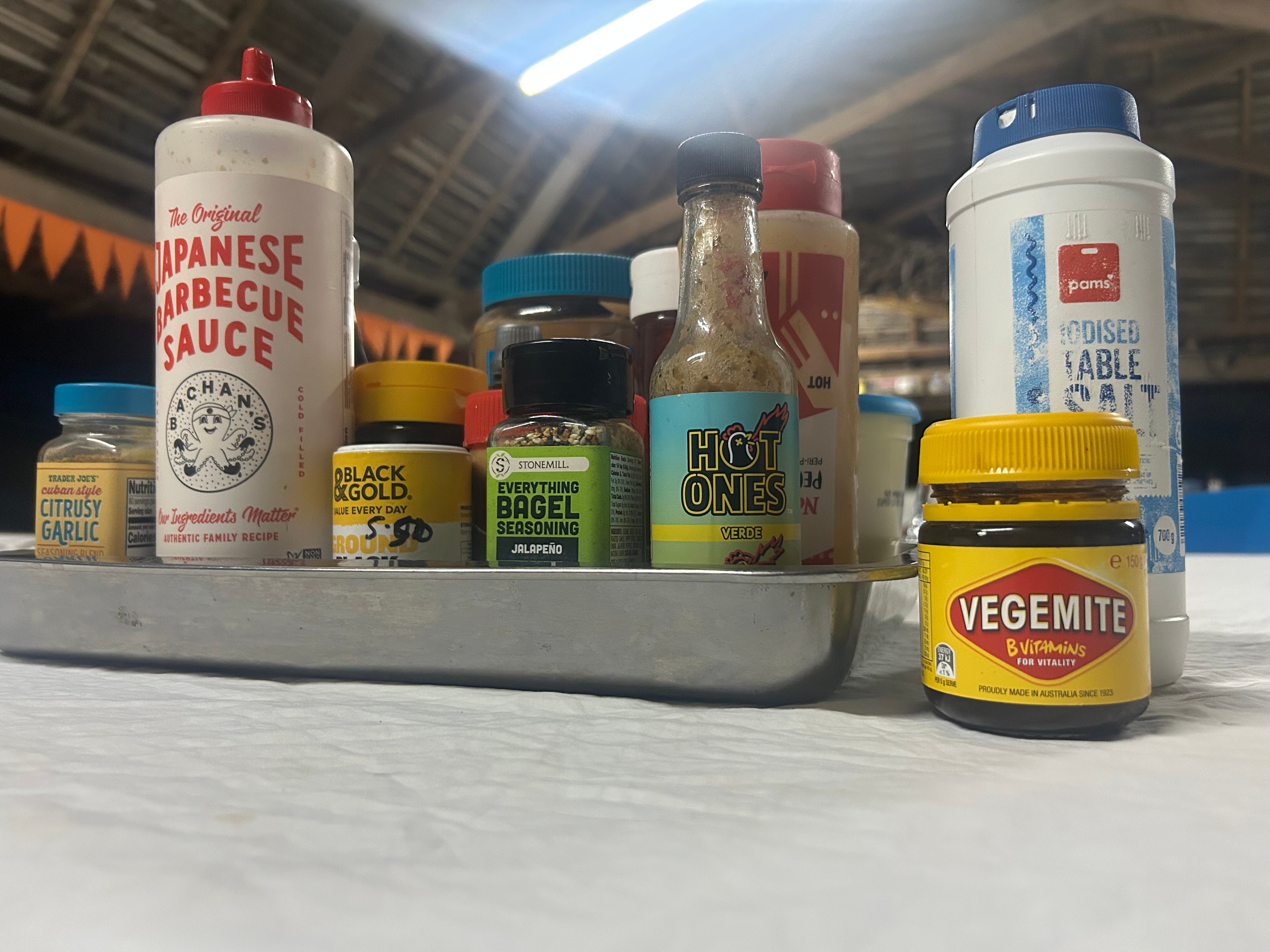
The buffet-style dinners always had rice, baked pumpkin, and a selection of main courses including beef, pork or octopus with vegetables. There was also chicken and tuna steaks. One meal had a fish dish I have yet to identify and we also had lobster on a couple occasions. The family style meals included an assortment condiments and seasonings donated by previous anglers, including the Aussie favorite, Vegemite.
Maybe it was just me, but the baked pumpkin seemed to taste better in Kiritimati than anywhere else I’ve been. Maybe it’s because the slew of pumpkin-spiced coffees served in every coffee shop in America each autumn has ruined pumpkin for me. The baked pumpkin was a popular dinner choice among the anglers and was often the first dish to run out. In addition to pumpkin plants everywhere, I saw bananas, papayas, and breadfruit grown. Most other fresh produce is imported when those rare merchant ships arrive.
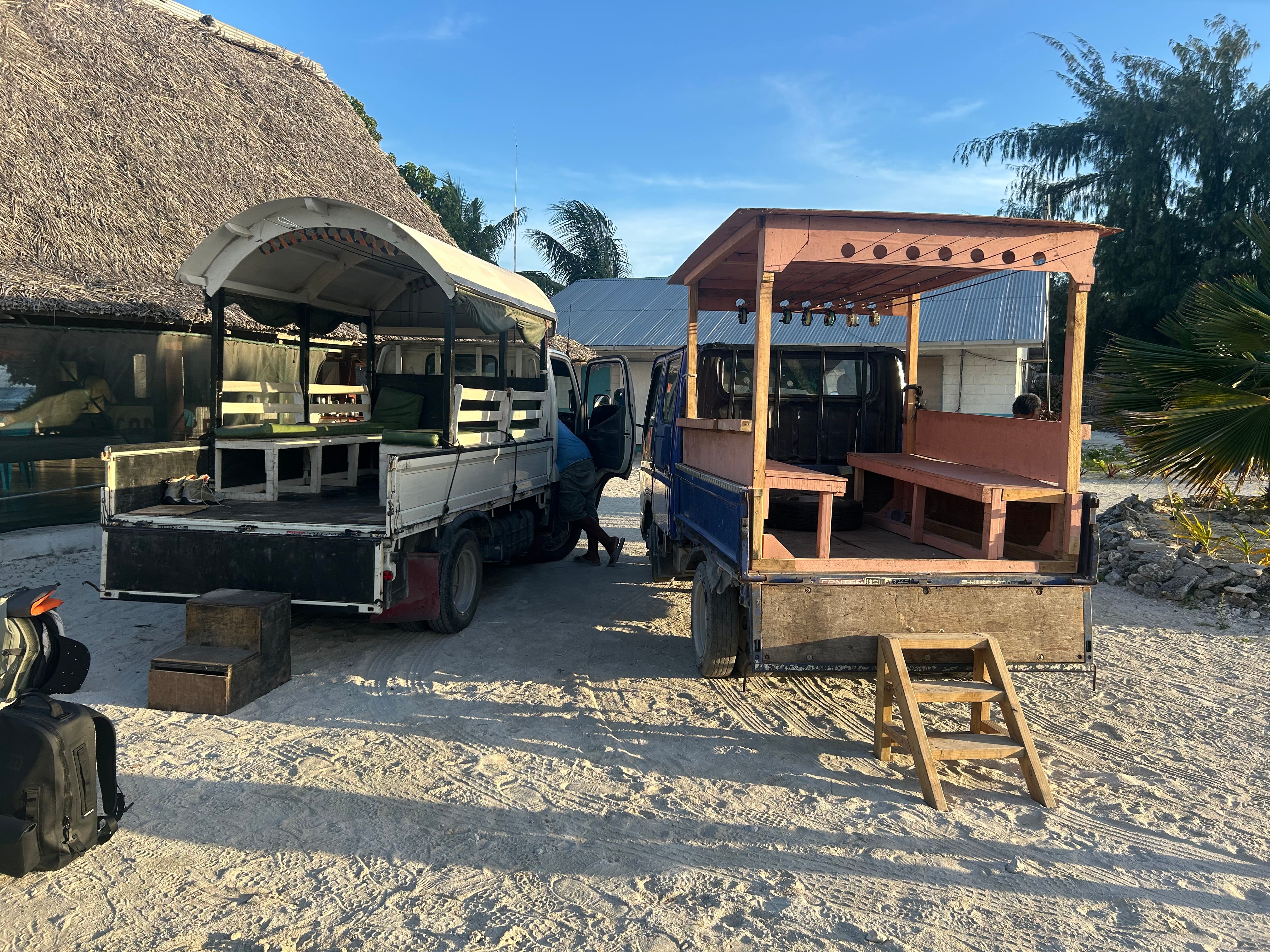
Each day, we were driven to and from our various fishing destinations in the back of open-air trucks. A highway of potholes and speed bumps severely limited travel speed. One trip to the remote end of the island bordered by a large coral reef took about 2 ¼ hours each way. It was the most uncomfortable experience during the entire week.
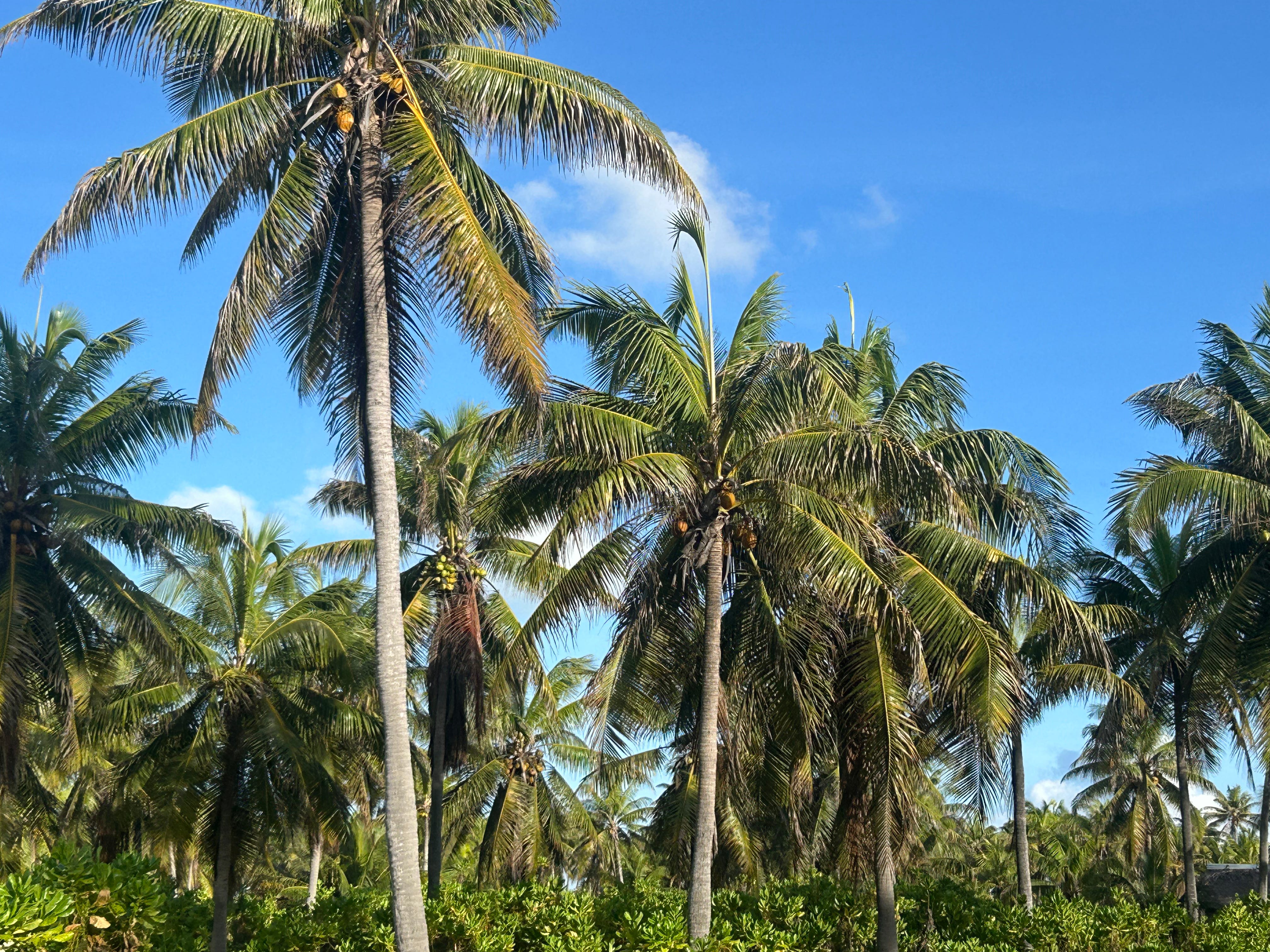
On the plus side, the scenery during the trip was spectacular. At land’s end, the beach was breathtaking and empty of people. However, sitting on wooden benches in the back of the trucks left most of us walking gingerly at the conclusion of the journey even when using an inflatable seat cushion.
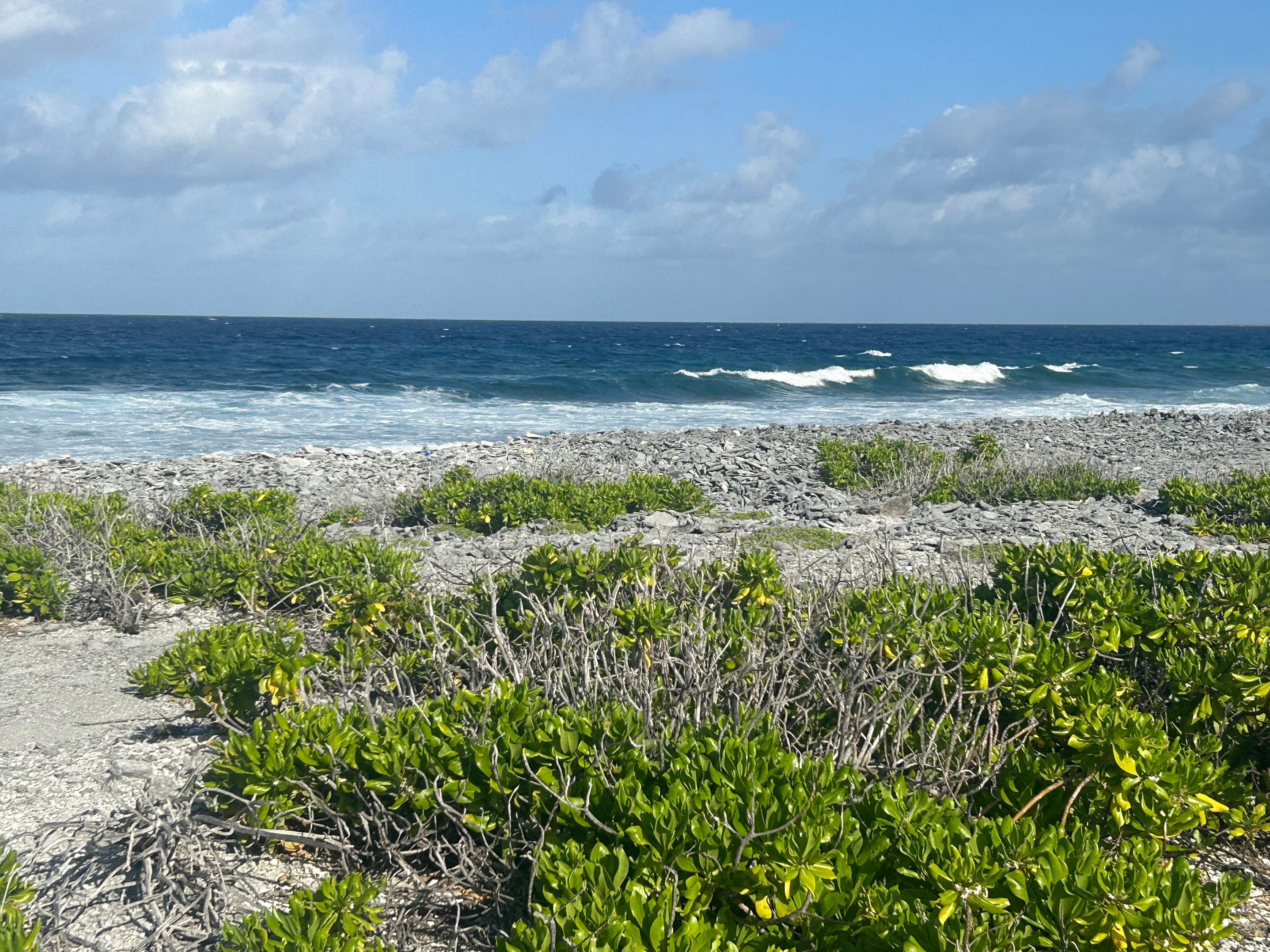
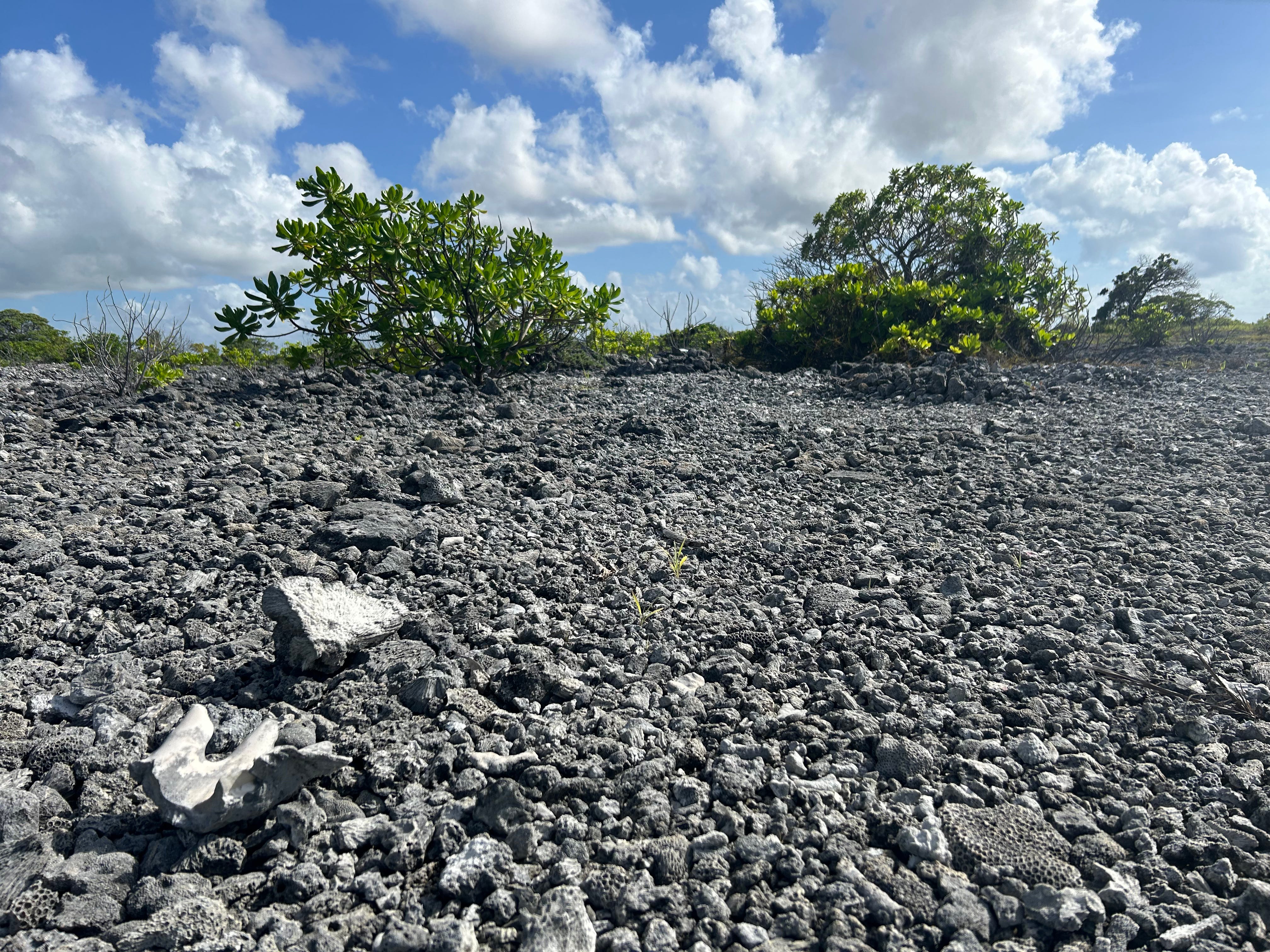
One is easily reminded Kiritimati is a coral atoll by the graveyard of coral debris as far as the eye can see on island’s southernmost point. According to Google Ai, the abundant coral skeletons are one sign of a healthy coral reef.
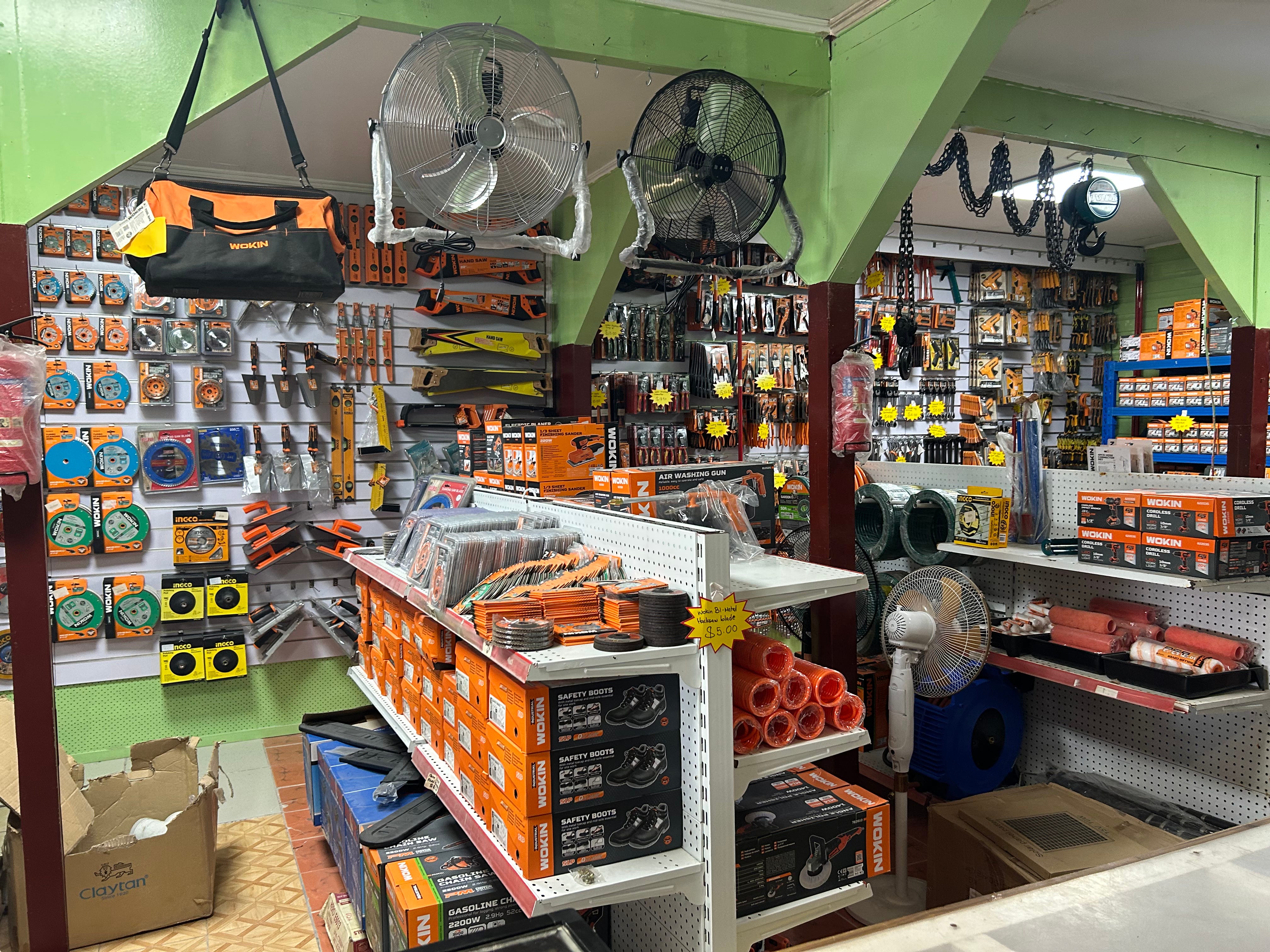
I visited about a half-dozen small markets during my island tour. They generally had canned goods, basic households items, drinks, and a few clothing items including major league sports hats. Packages of ramen noodles were plentiful and Fanta orange soda appeared to be a popular drink. Larger markets stocked dish ware, cookware, hand and power tools, and appliances such as tabletop fans.
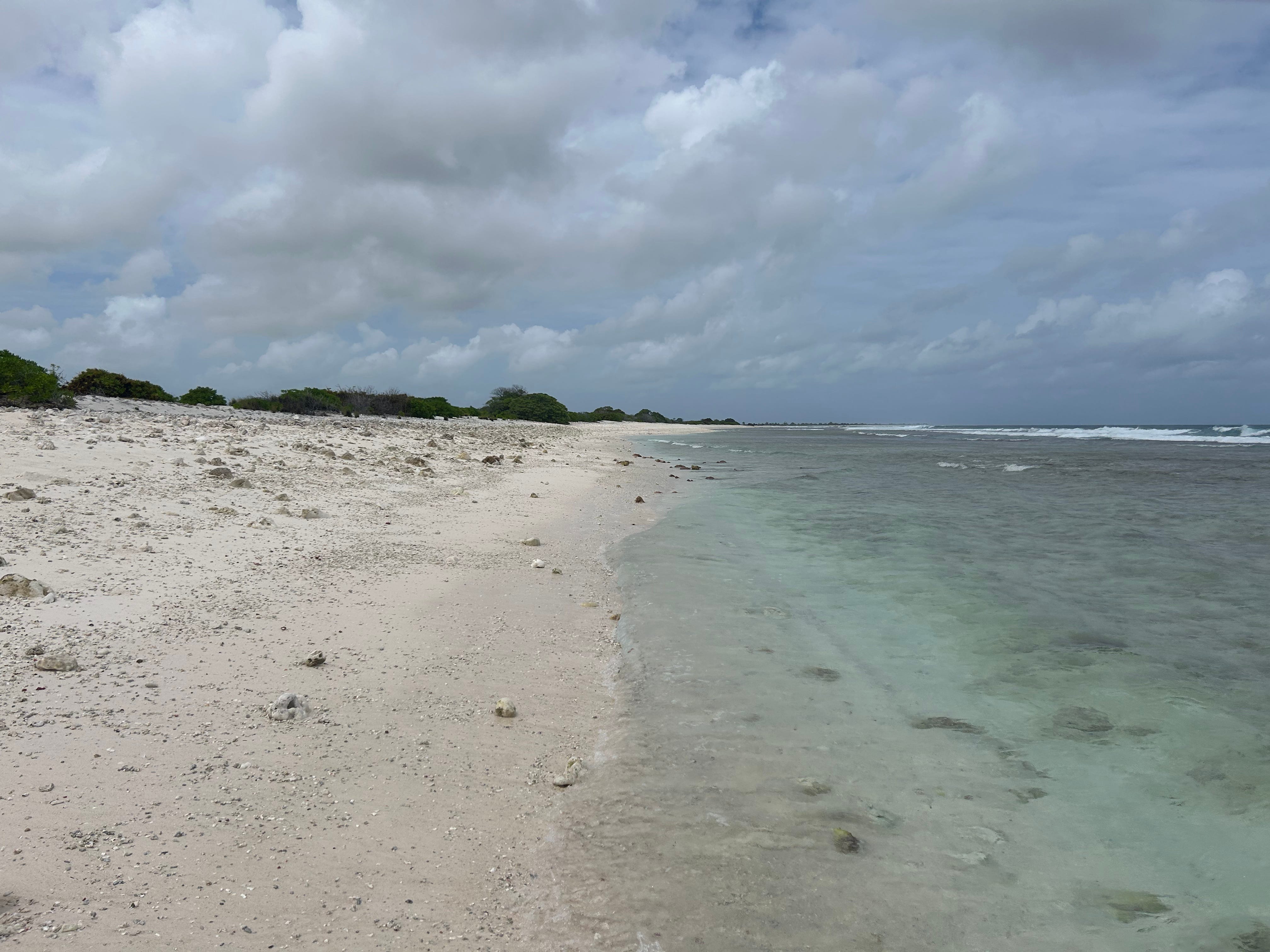
The daily temperature was in the 75-85°F range with no humidity making the weather feel ideal. However, because Kiritimati is near the equator the sun is so intense that it’s recommended anglers cover-up with SPF 50 clothing and generously cover exposed skin with sunscreen. Even the locals covered up when on the water.
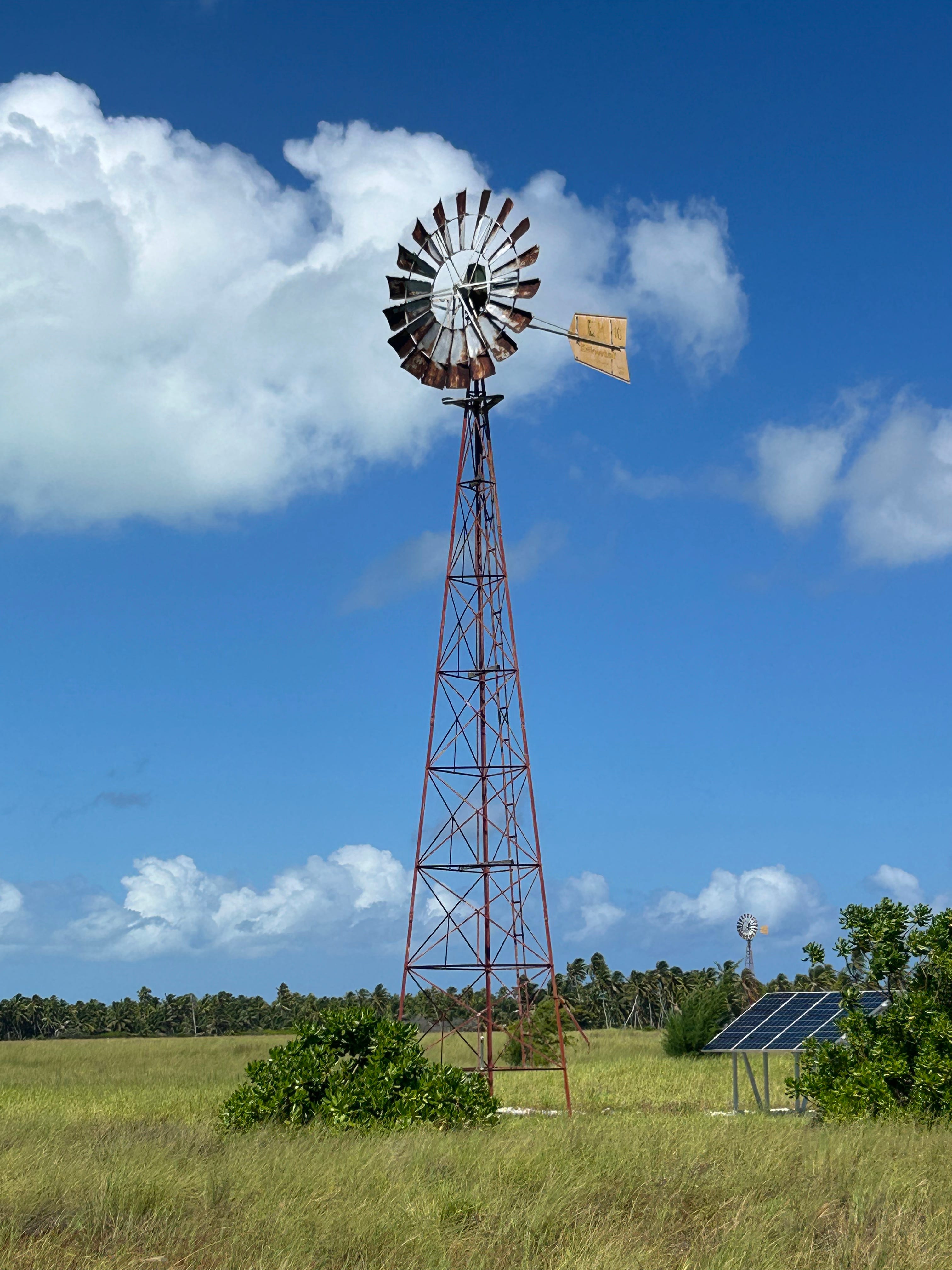
Outside of London where we were staying, ground water is extracted with pumps powered by windmills and solar panels. Islanders and visitors are urged to use water sparingly. While the locals drink the tap water anglers are cautioned against it. Water served to visitors is boiled before consumption to guard against stomach ailments.
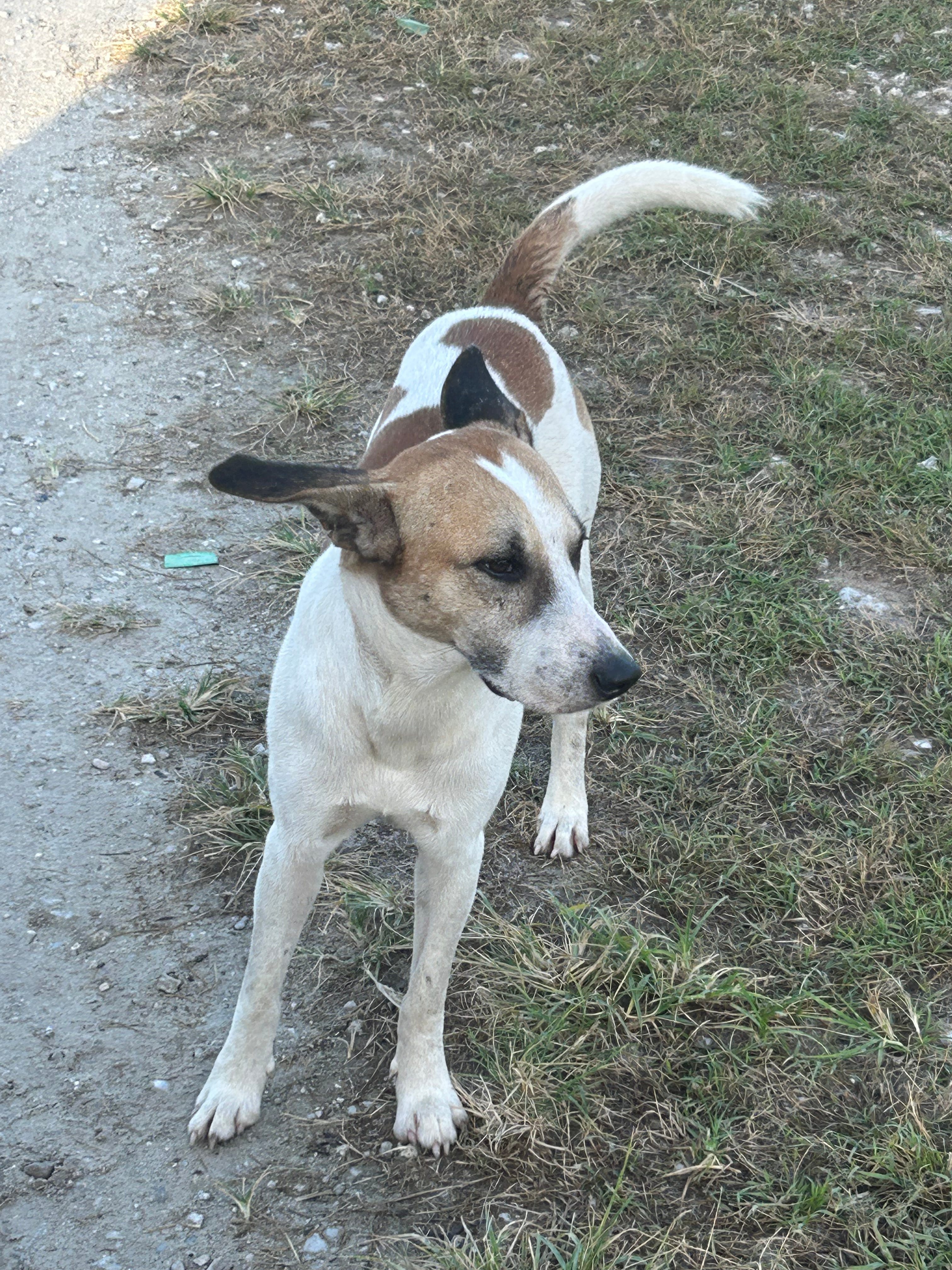
There are no bitches on Kiritimati Island. To be more specific, there is a prohibition on importing female dogs to the island, according to a couple of guides. This is to ensure there are no feral dogs to safeguard native wildlife. While I could not confirm this prohibition, there is information suggesting all imported dogs and cats must either be spayed or neutered prior to arriving on the island.
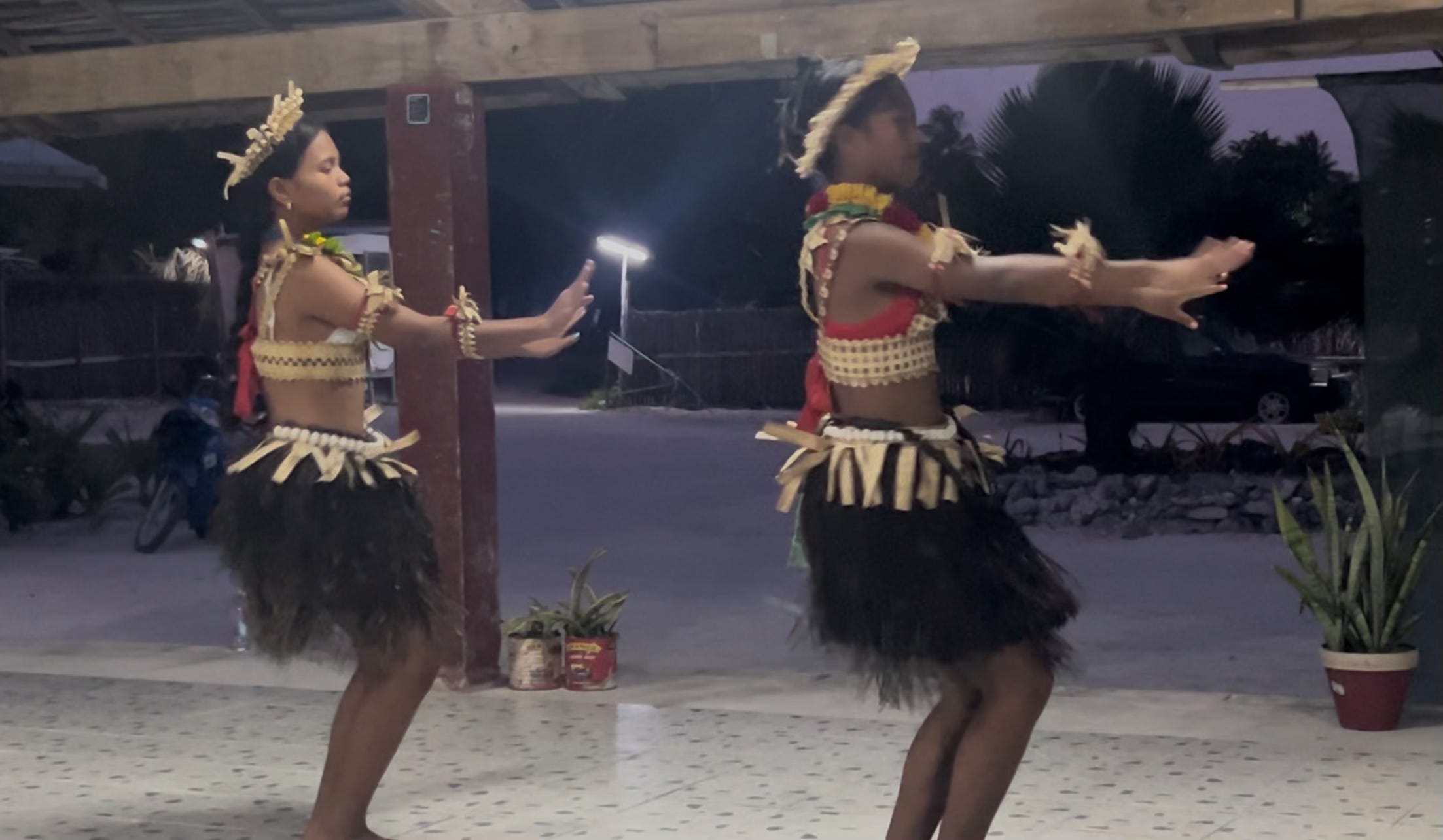
Our final night included a luau featuring farewell remarks from the host staff, a traditional dance performance and a lavish meal that included a roast pig and lobster. The Fiji Airways return flight to Honolulu was a reminder that airlines outside the US actually employ friendly and pleasant flight attendants, and offer full meals and beverage service to all passengers and not just to those in the first class cabin.
The trip to Kiritimati Island is an enjoyable experience, especially if your goal is to fish all day, enjoy the splendor of the island, and engage with the warm and gracious hosts.
Mark Hyman is a 35-year military veteran and a retired television investigative journalist. He spends most days at home annoying his wife and sending silly memes to his children. Follow him on Twitter (X) at @markhyman.
Mark welcomes all news tips and story ideas in the strictest of confidence. You can reach him at markhyman.tv (at) gmail.com.